The AI image and video landscape is evolving at a breakneck pace, pushing the boundaries of what's creatively possible while simultaneously reigniting crucial conversations about authenticity and artistic integrity. Today's digest covers the ambitious future of AI-generated worlds, the resurgence of short-form video platforms fueling demand for AI content, and the nuanced cultural debates surrounding AI's influence on visual aesthetics.
Runway's CEO Charts a Course for "World Models"
In a recent podcast, Cristobal Valenzuela, CEO of AI video pioneer Runway, articulated a vision that extends far beyond current video generation capabilities: the advent of "world models." Rather than merely producing isolated video clips, Valenzuela suggests the next frontier involves AI systems capable of generating entire, coherent, and interactive simulated realities. This isn't just about making better videos; it's about creating persistent digital environments that can be explored, manipulated, and populated with dynamic elements. Runway, a company that has rapidly ascended to challenge giants like Google and OpenAI, is at the forefront of this conceptual leap, having secured significant funding to pursue these ambitious goals.
This development matters immensely because it represents a paradigm shift for digital creation. If successful, world models could revolutionize industries from film production and game development to virtual reality and architectural visualization. Imagine directing a film not by shooting scenes, but by crafting prompts that generate an entire, explorable world where characters interact autonomously within a consistent narrative framework. For creators, this could unlock unprecedented levels of creative freedom and efficiency, transforming current pipelines. As AI models advance to generate entire virtual worlds, tools like BgRemovit's AI model photo generation will become essential for populating these sophisticated environments with diverse, high-quality digital assets and characters, ensuring consistency and detail across vast digital landscapes. The move towards world models suggests a future where AI isn't just a tool for generating assets, but for building the very fabric of digital experience.
Divine's Return Signals New Demand for Short-Form Video Content
Jack Dorsey-backed Divine, a spiritual successor to the beloved short-form video platform Vine, has officially launched on the App Store and Google Play. The new platform arrives with a substantial archive of original Vine content alongside new user-generated videos, aiming to recapture the magic of concise, viral video creation. This launch comes at a time when short-form video continues its explosive growth, dominating social media feeds and capturing vast user attention across demographics.
Divine's resurgence is a significant indicator of the relentless demand for engaging, bite-sized video content. For creators, this proliferation of platforms presents both immense opportunity and considerable pressure to consistently produce high-quality, distinctive material. This is where AI-powered video tools become indispensable. The ability to rapidly generate stylized clips, enhance raw footage, or even create entirely synthetic scenes with AI offers a scalable solution for content creators to meet the insatiable appetite of platforms like Divine. For creators striving to stand out, the speed and quality offered by AI-powered tools are invaluable. BgRemovit's video enhancement capabilities, for instance, could elevate raw footage, ensuring every short clip is polished and professional, allowing creators to focus on narrative and virality rather than technical imperfections. The success of Divine, and similar platforms, will increasingly depend on the creative workflows that enable quick, impactful content generation, making AI a central player in the creator economy.
The Resident Evil Logo: A Flashpoint for Creative Authenticity
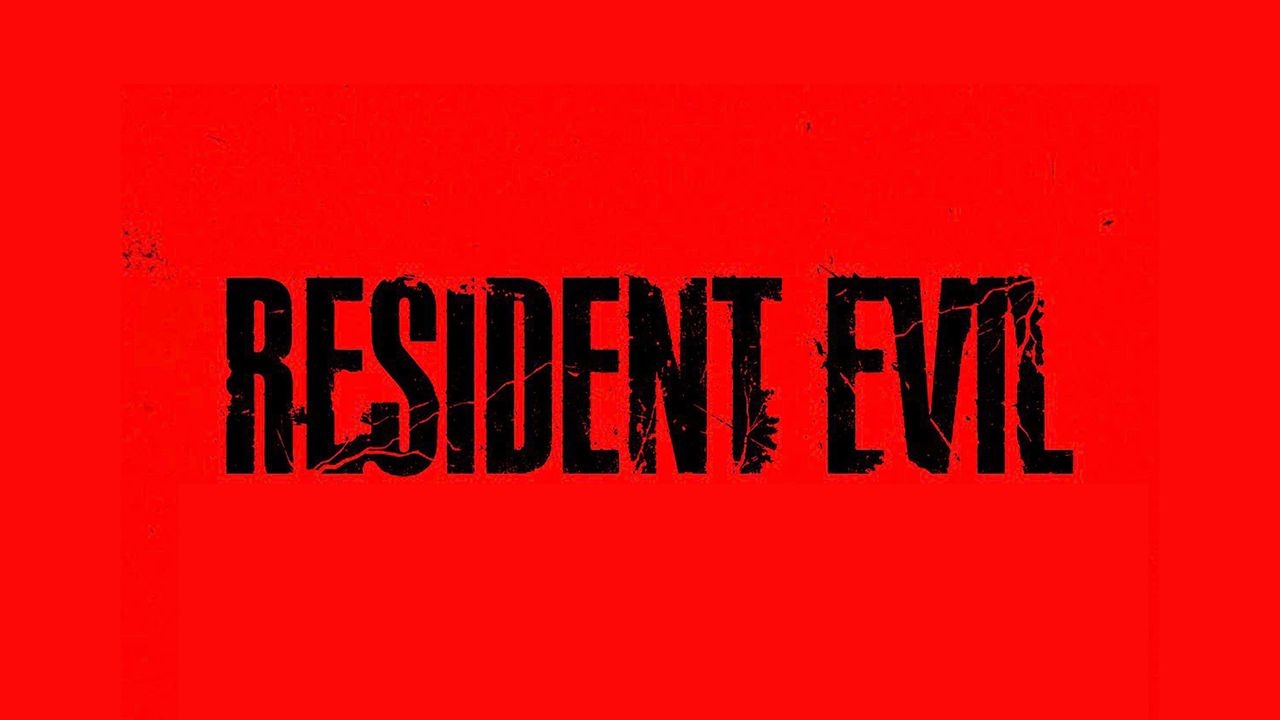
The unveiling of a new logo for the iconic Resident Evil franchise has sparked considerable debate among fans, with many praising its adherence to the original game's aesthetic while others question its perceived lack of originality, raising the specter of "stolen valour." While the article doesn't explicitly mention AI as the source of the logo, the term "stolen valour" is frequently invoked in current discussions surrounding AI-generated art that mimics established styles or artists. This public discourse highlights the ongoing tension between artistic homage, inspiration, and the ethical implications of replication, whether human or AI-assisted.
This debate underscores a critical challenge facing the creative industries in the age of advanced AI: defining authenticity and valuing originality when AI models can flawlessly emulate virtually any style. The Resident Evil logo controversy, even if purely human-designed, serves as a proxy for the deeper anxieties about AI's role in creative work. Are we celebrating skilled mimicry, or are we inadvertently devaluing the human ingenuity that birthed the original aesthetic? As AI tools become more sophisticated at generating high-quality visual assets, designers and brands must navigate these ethical waters carefully. The conversation around the Resident Evil logo is a microcosm of the larger societal reckoning with AI's impact on creative ownership, credit, and the very definition of art.
Mullet MadJack's '90s Anime Visuals: AI's Role in Aesthetic Replication
The recently reviewed game Mullet MadJack for Nintendo Switch has garnered significant praise for its "masterclass in '90s anime visuals," despite a relatively thin arcade loop. Critics lauded the game's distinctive retro aesthetic, highlighting how a strong visual identity can elevate a gaming experience, even when other elements are minimalist. This success story points to the enduring appeal of specific, nostalgic visual styles and the increasing capability of developers to meticulously craft or replicate them.
This trend is highly relevant to the advancements in AI image and video generation. AI models are becoming exceptionally adept at learning and reproducing highly specific aesthetic styles, from classic anime and pixel art to photorealistic rendering. For indie game developers or content creators operating with limited budgets, AI tools offer a powerful avenue to achieve visually stunning and unique aesthetics without requiring extensive manual animation or art department resources. Imagine an AI pipeline that can generate character models, environments, and animations directly in a '90s anime style, significantly reducing production time and cost. This democratizes access to high-fidelity, stylized visuals, enabling smaller teams to compete with larger studios purely on the strength of their artistic vision. The success of Mullet MadJack's visuals demonstrates the market's hunger for well-executed aesthetic themes, a hunger that AI is increasingly equipped to satisfy by providing tools for both replication and innovative style generation.
Editor's Take
The past 24 hours paint a vivid picture of a technology sector in flux. From the ambitious foresight of Runway's "world models" promising entirely new digital realities to the market forces driving demand for AI-powered content on platforms like Divine, the trajectory is clear: AI is not just enhancing existing creative processes, but fundamentally redefining them. Yet, this rapid advancement doesn't come without friction. The debates surrounding the Resident Evil logo and the appreciation for Mullet MadJack's distinct visuals underscore the ongoing ethical and artistic challenges. As AI takes on a more central role in content creation, the conversation shifts from if AI can create, to how it creates, what it creates, and critically, what it means for human creativity and ownership. The future of digital content is undeniably AI-infused, demanding both innovation and introspection from creators and consumers alike.
Sources
- “Grimy in the right way”: fans divided by new Resident Evil logoopen_in_new
- Mullet MadJack (Switch) review: a masterclass in '90s anime visuals wrapped around a thin arcade loopopen_in_new
- Divine, a Jack Dorsey-backed revival of Vine, is now available on the App Storeopen_in_new
- Is AI video just a prequel? Runway’s CEO thinks world models are nextopen_in_new