The world of AI image and video technology is accelerating at an unprecedented pace, marked by breakthroughs in accessible video production, profound shifts in traditional creative industries, and an escalating battle against increasingly sophisticated AI-generated fakery. Today’s developments highlight a duality: powerful tools empowering creators of all sizes, juxtaposed with the urgent need for robust detection and media literacy.
The Democratization of High-Quality Video Production
New AI platforms are fundamentally altering the barrier to entry for professional-grade video content, making cinematic production accessible to an astonishingly broad user base. China's Vidu Claw is leading this charge with its ambitious promise of enabling “100 RMB for Million-Dollar Commercials.” Integrated directly into WeChat, the platform allows users to prompt a video and receive what Pandaily describes as a “theater-grade ad.” This hyper-convenient, low-cost model is a game-changer for small businesses, marketers, and individual creators who previously faced exorbitant costs and time commitments for high-quality video production. Simultaneously, Singaporean startup Video Rebirth has launched BACH, an AI video tool specifically designed for cinematic content creation, further underscoring a global trend towards democratizing sophisticated visual storytelling. These innovations empower a new generation of content creators, allowing them to bring complex visions to life with minimal technical expertise and budget. The implications for advertising, social media content, and indie filmmaking are enormous, setting a new standard for creative output across industries. Platforms like Vidu Claw and BACH, alongside powerful post-production tools such as BgRemovit's image and video enhancement features, are democratizing access to professional-grade content creation, ensuring that even AI-generated visuals can be polished to perfection.
Hollywood Grapples with the AI Video Revolution
While accessible AI video tools empower new creators, the established titans of entertainment are finding themselves at a crossroads. The Ankler's report, “Grok, Kling, Runway: AI Video’s Future Has Hollywood on the Outside Looking In,” paints a stark picture of an industry struggling to adapt. Major studios and production houses, accustomed to multi-million dollar budgets and lengthy production cycles, are observing the rapid evolution of generative AI video models with a mix of awe and apprehension. Tools like OpenAI's Sora, Google's Kling, and RunwayML are demonstrating capabilities that can generate complex scenes, characters, and narratives with unprecedented speed and efficiency. This poses an existential threat to traditional workflows, potentially displacing numerous roles from concept artists to editors. Hollywood's challenge isn't just about integrating new technology; it's about reimagining entire creative pipelines, intellectual property rights, and the very definition of authorship. The industry faces intense pressure to innovate or risk being outpaced by nimble, AI-powered content factories. The conversation is shifting from if AI will impact Hollywood to how quickly it will fundamentally restructure it, demanding proactive strategies for adaptation rather than resistance.
The Reality Crisis: AI Fakes and the Fight for Authenticity
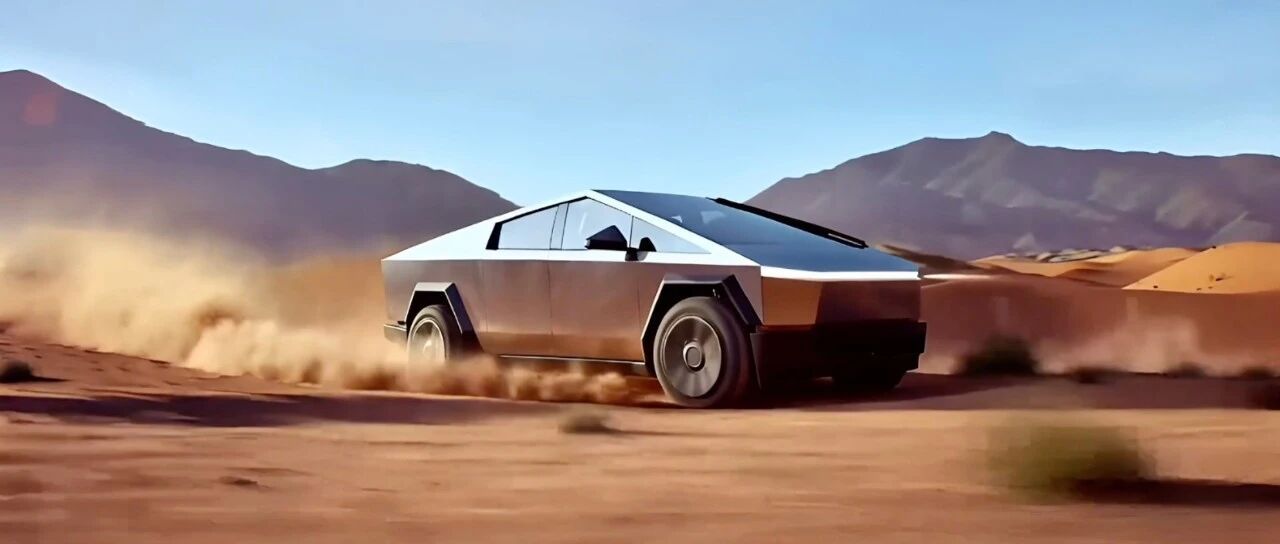
As AI-generated content becomes indistinguishable from reality, the line between authentic and artificial is increasingly blurred, posing significant societal challenges. The Korea Times highlights this with the story of a “viral AI baseball fan,” an incident that reflects Korea's broader struggle to differentiate real from fake. This specific case, where an AI-generated image or video of a fan gained widespread traction, underscores how easily convincing fabrications can permeate public consciousness, influencing opinions and eroding trust in digital media. This phenomenon is not isolated; TechSpot further elaborates on the growing difficulty of spotting AI images, noting that while they are “getting harder to spot, physics still gives them away if you know where to look.” This signals an ongoing arms race between advanced AI generation and the development of sophisticated detection methods. Experts are increasingly scrutinizing subtle inconsistencies in lighting, shadows, reflections, and environmental interactions—details that current AI models sometimes fail to render perfectly according to the laws of physics. The implications extend beyond entertainment, impacting journalism, political discourse, and personal privacy, demanding greater media literacy and the urgent development of robust, accessible AI detection tools.
Consumer Creativity Unleashed: ChatGPT and the Everyday Artist
Beyond professional applications, AI is significantly impacting everyday creative expression, making advanced image manipulation and style generation accessible to anyone with a prompt. Jagran Josh highlights a burgeoning trend of using “ChatGPT Photo Editing Prompts” to achieve specific aesthetic looks, such as a “90s Vintage Aesthetic.” This demonstrates how large language models are not just generating text but are becoming invaluable co-creators in visual design, guiding users to craft intricate prompts that yield precise artistic outcomes. Similarly, Digital Today reports on the “ChatGPT crude doodle-style photo trend,” where users leverage AI to transform simple sketches or concepts into stylized, often whimsical, images. These trends illustrate a fundamental shift: you no longer need complex software skills to be a visual artist. Instead, the ability to articulate a creative vision in natural language is becoming the primary interface. This democratization of creative tools empowers individuals to experiment with styles, generate personalized content, and even create marketing materials like user-generated content (UGC) ads, as evidenced by the rise of “Top 10 AI Avatar Generator Platforms for UGC Ad Creation.” The fusion of conversational AI with image generation is fostering a new wave of casual creativity, blurring the lines between user and creator.
What This Means
The current landscape of AI image and video technology is defined by rapid innovation and profound disruption. We are witnessing an unprecedented democratization of high-quality content creation, empowering individuals and small businesses to compete with larger entities. However, this accessibility comes with significant challenges, particularly the increasing difficulty of distinguishing AI-generated content from reality, which demands urgent attention to detection and media literacy. For industries like Hollywood, the choice is clear: adapt or face obsolescence. As AI becomes more deeply integrated into our creative and communicative lives, the imperative is to harness its power responsibly, fostering innovation while rigorously addressing the ethical and societal implications of a world where visual truth is increasingly fluid.
Sources
- Vidu Claw Launches "100 RMB for Million-Dollar Commercials" Era: Prompt a Video in WeChat, Get a Theater-Grade Ad - Pandailyopen_in_new
- Singapore Startup Video Rebirth Launches AI Video Tool BACH for Cinematic Content Creation - CXO Digitalpulseopen_in_new
- ChatGPT Photo Editing Prompts: 90s Vintage Aesthetic Prompts to Give Your Photos a Classic Look - Jagran Joshopen_in_new
- ChatGPT crude doodle-style photo trend takes off - 디지털투데이open_in_new
- Viral AI baseball fan reflects Korea's struggle to tell real from fake - The Korea Times