In The Quiet Things, Alice’s story is a raw, autobiographical journey through childhood trauma, abuse, and the UK foster care system in the early 2000s. If you are searching for the definitive Alice story explained The Quiet Things breakdown, you need to understand that this isn't a fictional tale designed for cheap emotional points. Developed by Silver Script Games and based entirely on creator Alyx Jones's real-life diary entries, therapy logs, and police records, the game is a devastatingly real interactive memoir. This guide breaks down her mother's death, the escalating abuse from her father and stepmother, and her eventual harrowing survival through a broken social care system.
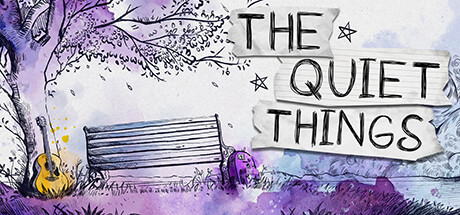
The Foundation: Why the "Alice Story Explained The Quiet Things" Narrative Hits Hard
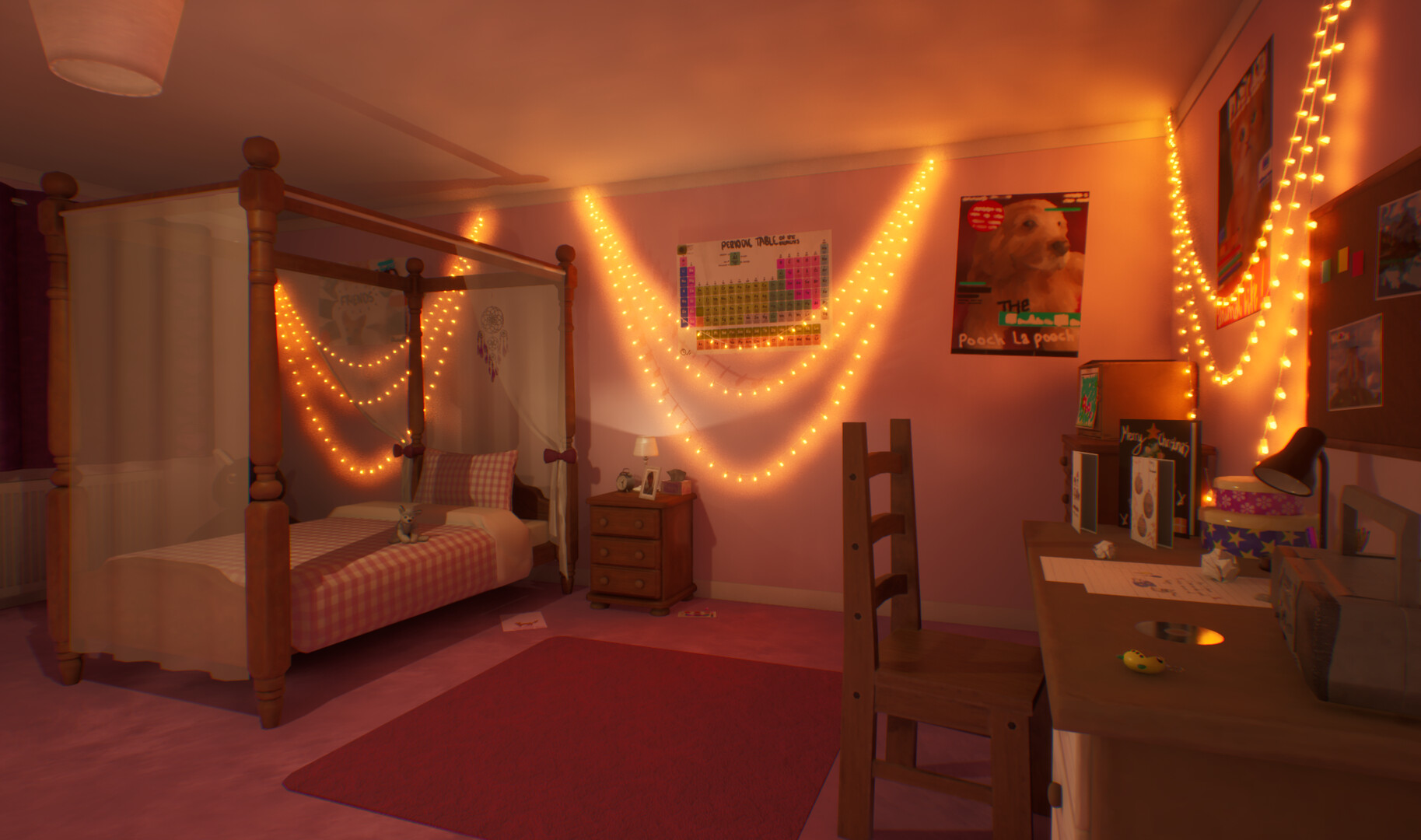
Most video games use trauma as a convenient backstory to motivate a hero's quest. The Quiet Things uses trauma as the entire text. To fully grasp the Alice story explained The Quiet Things experience, players must recognize the audio-driven mechanics of the game. You are not fighting monsters or solving contrived puzzles; you are exploring meticulously recreated 90s and 00s environments in the South of England, interacting with everyday objects that trigger fragmented, often painful audio memories.
The genius of the narrative lies in its refusal to hold the player's hand. The game trusts you to piece together the fractured timeline of Alice's life. By grounding the story in tangible 00s nostalgia—thick CRT televisions, flip-phones, cassette tapes, and grunge posters—the developers create a disarming sense of familiarity. This makes the intrusion of domestic abuse into these mundane spaces feel incredibly violating. It is a masterclass in environmental storytelling, proving that the most terrifying monsters do not reside in fantasy dungeons, but behind the closed doors of unremarkable suburban homes.
Timeline of Trauma: The Early Years and the Loss of Her Mother
The narrative arc begins in early childhood with a foundational tragedy that sets the stage for the decades of instability to follow: the "Mother's Hospice Passing". Before Alice even reaches adolescence, her mother becomes terminally ill and passes away, leaving a gaping emotional void in the household. The game portrays this not with melodramatic, tear-jerking cutscenes, but through the haunting emptiness of the physical spaces left behind—a half-empty wardrobe, a lingering scent described in a diary, a quiet hospital room.
Following this profound loss, Alice's father is entirely consumed by his own grief. The game documents how this emotional absence slowly morphs into hostility when he eventually remarries. The introduction of a stepmother and a new sibling fundamentally shifts the family dynamic. Alice becomes an unwanted outsider in her own home, a living reminder of a past her father wishes to bury. By the time we reach "Age 15: The Breaking Point", the emotional neglect has escalated into severe physical and emotional abuse. This forces her "UK Foster System Entry", a terrifying leap into the unknown that culminates in a traumatic "Hostel Relocation".
The Breaking Point: Abuse, Therapy, and Fleeing Home
The middle act of the game is arguably its most harrowing, requiring players to navigate the claustrophobic tension of a household ready to explode. As Alice turns 15, the relationship with her stepmother deteriorates completely, and her father's behavior worsens from neglectful to actively destructive. We see Alice attempting to cope through "Isolation Tactics", withdrawing into her bedroom and her music. The game features an authentic 00s soundtrack with covers and original scores that perfectly anchor the era's specific brand of teenage angst.
During this period, Alice begins to document her life obsessively. "Audio Diaries" become her primary outlet for survival. The game utilizes text and voiceover "Based on real diary entries and police records" to construct these moments, lending an uncomfortable, undeniable authenticity to her suffering. We witness her forced into therapy, though the early interventions are woefully insufficient to stop the abuse occurring at home. This leads to profound mental health struggles, including self-harm and suicidal ideation, themes the game handles with brutal honesty rather than romanticization.
Eventually, the environment becomes unsurvivable. Alice makes the agonizing decision to leave, initiating her "System Navigation" through the labyrinthine "UK Social Care" network. The data presented in the game is stark: her subsequent teenage years are defined by displacement, split heavily between "Hostel Placements 65%" and "Foster Homes 35%". She is no longer a child in a home, but a case number in a system defined by its "Trauma" and wrapped in bittersweet "00s Nostalgia".
Foster Care and Survival: The Second Half of the "Alice Story Explained The Quiet Things" Arc
Once Alice flees her abusive home, the game shifts its focus from domestic terror to institutional coldness. The Alice story explained The Quiet Things narrative is as much a searing indictment of the UK social care system as it is a personal memoir. The environments change from a suffocating family house to sterile, transient spaces: temporary foster bedrooms, stark social worker offices, and dangerous youth hostels.
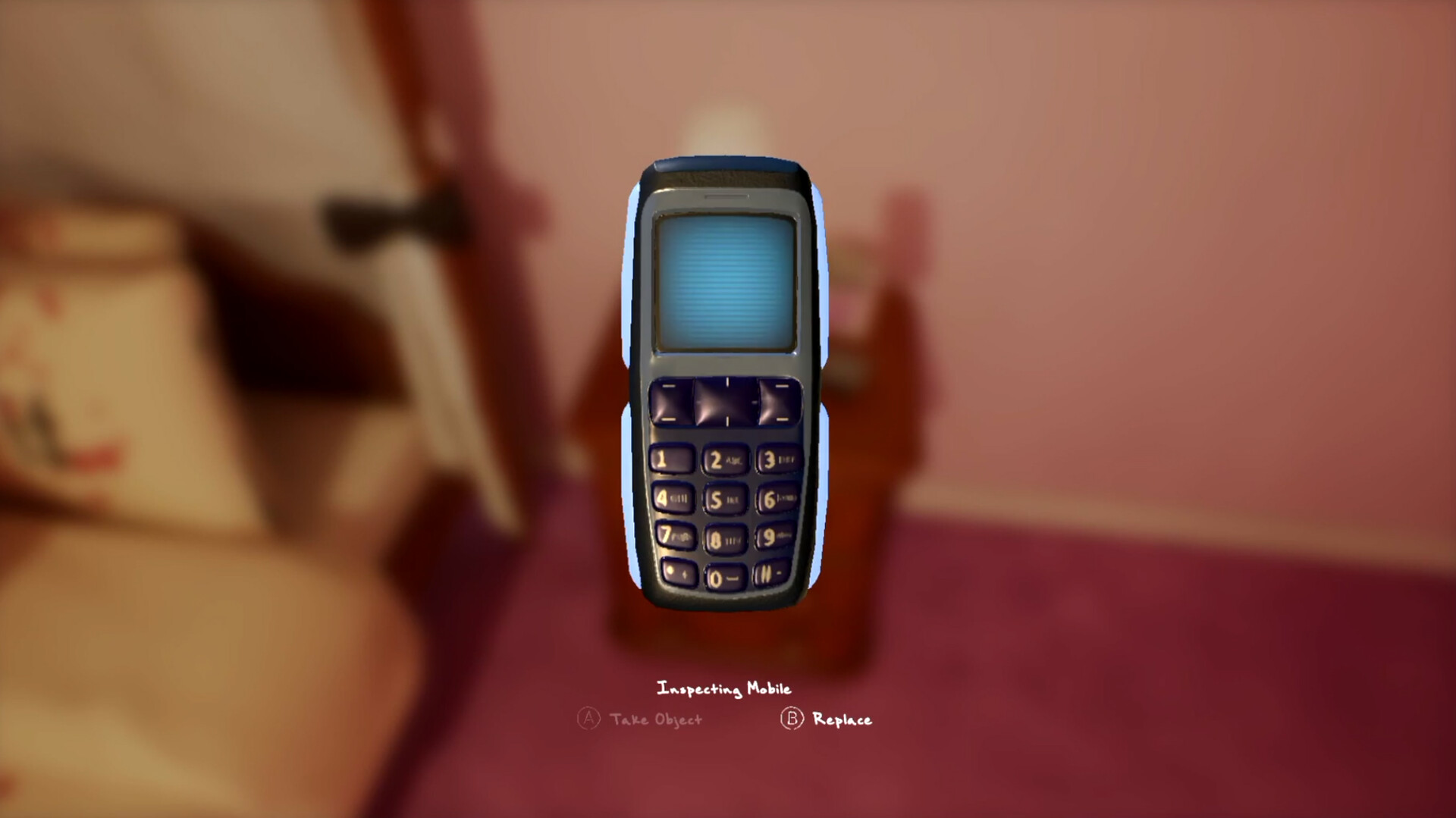
In these spaces, the gameplay loop relies heavily on examining the few possessions Alice is allowed to keep. "A hidden diary holds the darkest secrets of the South of England household." As players flip through its pages, the true extent of the gaslighting she endured becomes clear. "Cassette tapes capture the audio-driven therapy sessions." Listening to these tapes reveals the frustrating disconnect between well-meaning but overworked therapists and a teenager in acute crisis. "Faded polaroids represent the fractured memories of her late mother." These images serve as tragic anchors to a past she can barely remember. Finally, "A 2000s era flip-phone connects her to the failing UK social care system." The impersonal text messages and unanswered voicemails on this device perfectly encapsulate the isolation of being a ward of the state.
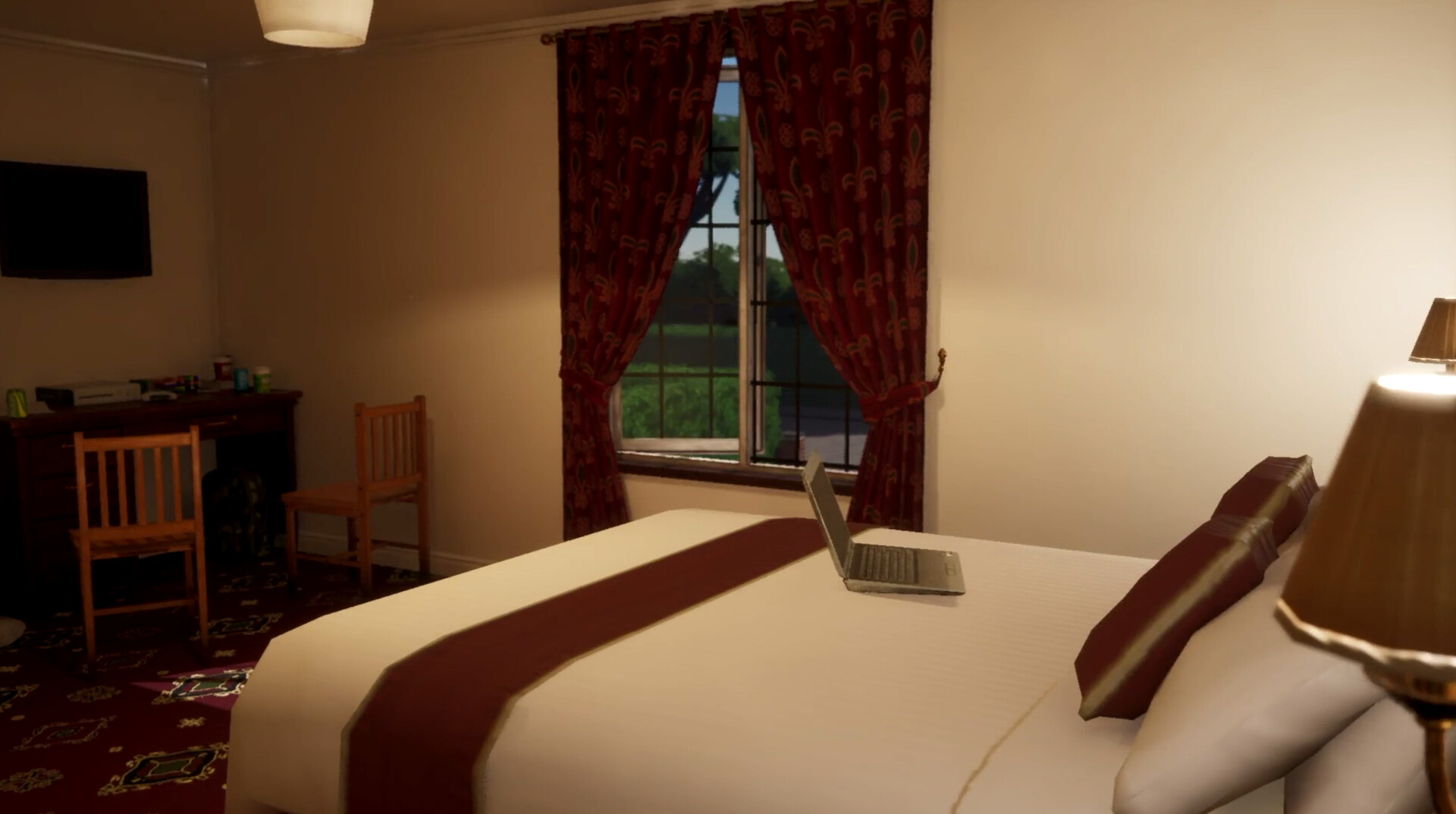
Through these interactive elements, players piece together the fragmented reality of a teenager entirely dependent on a system that is fundamentally broken, yet occasionally provides the bare minimum required to keep her breathing. It is a nuanced portrayal; the game acknowledges the scattered moments of kindness from certain social workers, but overwhelmingly highlights how the system is designed to manage liabilities rather than heal children.
The Ending of Alice's Story Explained: The Quiet Things Conclusion
How does a story like this end? If you are looking for a triumphant, cinematic victory where the villains are jailed and the hero is entirely healed, the ending of The Quiet Things will subvert your expectations. Trauma does not resolve in a neat three-act structure, and the game respects its autobiographical roots enough to avoid a fairy-tale conclusion.
The final sequences are a montage of the specific, indelible memories that defined her journey. "A hospital hospice bed sits empty under harsh lighting." Beside it, "A glowing heart monitor displaying zero." The narrative flashes back to the catalyst of her escape: "A tense family dinner table with a father and stepmother." The violence of "A smashed porcelain plate." The desperate courage when "A teenage girl packs a duffel bag in the dark." The passing of time marked by "A 2004 calendar." And finally, the grim reality of her destination: "A cold, institutional foster hostel hallway." She stares at "A sign reading ROOM 4B."

The game ends on a note of ongoing, defiant survival. Alice is alive. She has a voice. The very existence of the game is the resolution. By stepping out of the silence and sharing her story, the real-world creator reclaims her narrative from the abusers who tried to break her and the state apathy that tried to ignore her. It is an ending that offers hope not through magical healing, but through the sheer, stubborn act of existing.
The Real-Life Controversy: BAFTA and the Power of Alice's Voice
The raw nature of The Quiet Things extended beyond the digital realm and into real-world controversy. In April 2026, just months before the game's release, BAFTA pulled the game's trailer from the BAFTA Games Awards ceremony at the absolute last minute. They cited that the themes of childhood abuse and suicide "may be a trigger to some" and that they could not provide sufficient trigger warnings to their live, in-person guests.
Developer Alyx Jones expressed devastation publicly, noting she felt "ignored" and silenced by the decision after working tirelessly to cut a compliant trailer. This real-world event ironically mirrors the central theme of the game itself: the profound discomfort society feels when confronted with the ugly realities of abuse, and the systemic urge to quiet the victims rather than address the perpetrators. The BAFTA incident only underscored why the Alice story explained The Quiet Things narrative is so vital—survivors need to be heard, even if their truths make the establishment uncomfortable. The censorship inadvertently provided the game with a massive surge in visibility, proving that the "quiet things" will eventually demand to be heard.
FAQ: Unpacking the "Alice Story Explained The Quiet Things" Search Queries
Is The Quiet Things based on a true story? Yes. The game is an autobiographical narrative developed by Alyx Jones under Silver Script Games, based entirely on her own teenage diary entries, therapy tapes, police records, and first-hand accounts of her time in the UK foster system.
What are the main trigger warnings for the game? The game deals heavily and explicitly with childhood abuse (emotional, physical, and sexual), grooming, severe depression, self-harm, and suicidal ideation. It is a deeply heavy, mature experience that does not pull its punches.
Does Alice reconcile with her father? The game focuses on Alice's survival and escape from the toxic environment. Reconciliation is not the goal of the narrative; rather, finding a safe space and a voice outside of the abusive dynamic is the core resolution of the story.
How long does it take to beat The Quiet Things? As a narrative-driven, exploration-heavy game, a standard playthrough takes roughly 6 to 9 hours, depending on how much time you spend interacting with the audio logs, reading the diaries, and examining the 00s memorabilia scattered throughout the environments.
Sources
- Silver Script Games Official Website & Steam Store Page
- Kotaku: The Quiet Things Details and Pre-release Coverage
- Game Critix: The Quiet Things Review (June 2026)
- TheXboxHub: The Quiet Things Review (June 2026)
- Reddit: r/Games discussions regarding the BAFTA trailer controversy (April 2026)