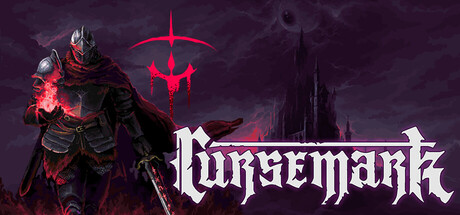
Cursemark dropped into Early Access on June 8, 2026, and immediately proved it understands the assignment: you don't want to wait three hours to feel like a god. Developed by CLYDE games and published by Mad Mushroom, this dark fantasy action roguelite hands you the keys to absolute magical chaos within the first fifteen minutes. You play as a cursed mage-knight trapped in a brutal loop, fighting through the handcrafted "Unknown Lands." But while throwing magic at the wall is visually spectacular, surviving the compounding curse mechanic requires deliberate synergy and tactical routing.
If you are hunting for the "cursemark best build" or want to know which spells actually carry you past bosses like the Iron Bastard or the Tithe Takers, you need to understand how modifiers change the fundamental behavior of your magic. It is not just about raw damage; it is about creating a self-sustaining loop of destruction and healing.
The Rune System: Why Synergy Beats Raw Damage
Unlike traditional roguelites where upgrades offer flat percentage boosts or minor stat tweaks, Cursemark’s rune system completely alters your toolkit. Every spell, ward, attack, and ultimate has dedicated modifier slots. The game gives you these pieces early, but it is up to you to snap them together.
An unslotted ward is just a "Basic Block"—it will mitigate some incoming damage, but it will not save you when the screen fills with enemies. However, slotting the right runes into that same "Ward" can trigger an effect to "Blind Enemies" and simultaneously "Heal Mage-Knight" every time it absorbs a hit. You can chain lightning to your melee strikes or make a simple "Fireball" erupt into "Toxic Clouds" upon impact.
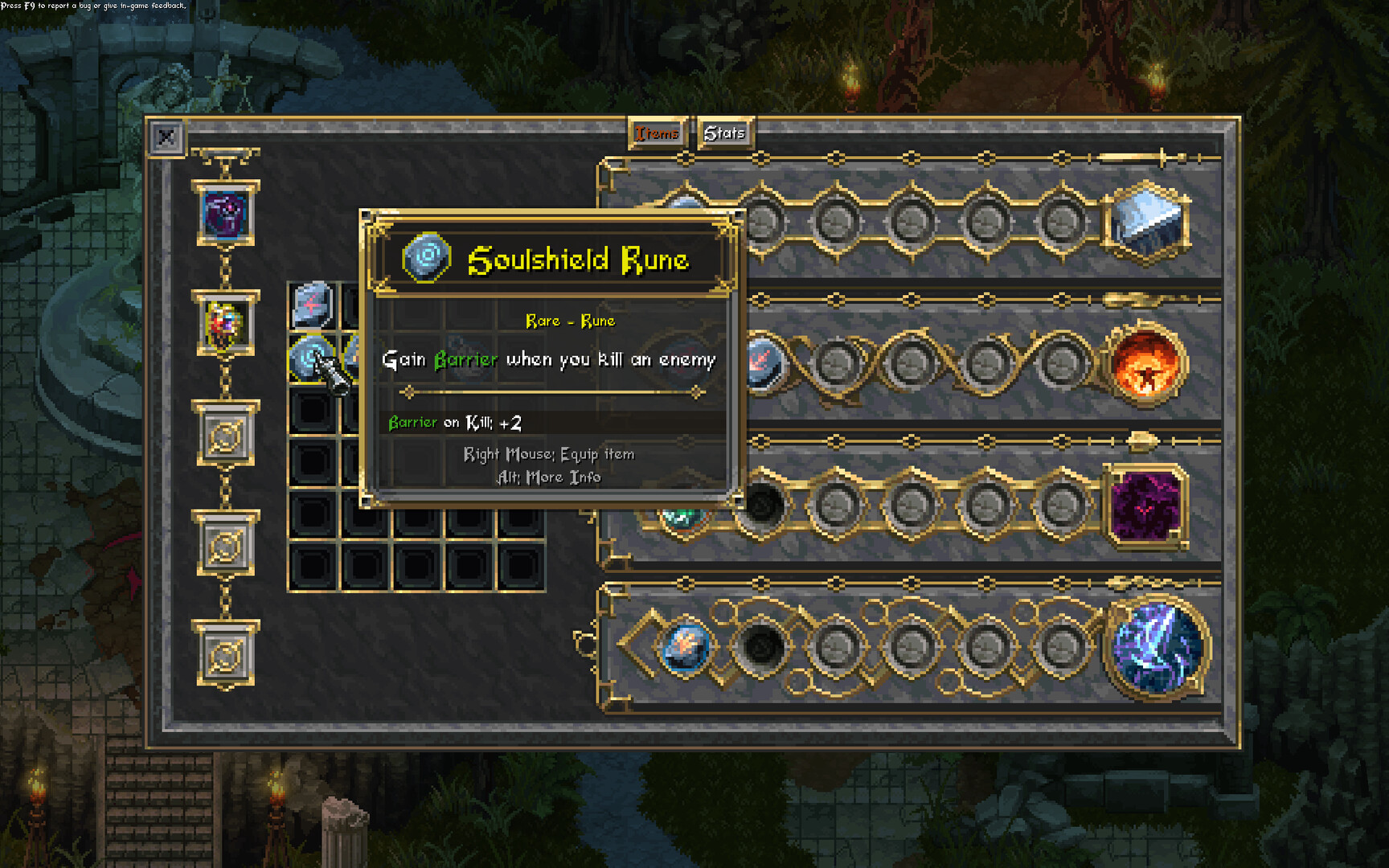
The golden rule of Cursemark is to equip runes the second you find them. Running naked slots into a boss fight is a guaranteed death sentence. The game does not stop you from making this mistake, and it will not explain why you are dying so quickly until your third or fourth failed run. Equip everything immediately, and swap them out later when better synergies present themselves. Holding onto a rune because you are waiting for the "perfect" spell is a rookie mistake that will leave you underpowered in crucial early-game encounters.
Top Spells and Wards Ranked
When it comes to identifying the "cursemark best spells," utility, crowd control, and screen-clearing potential reign supreme. Raw single-target damage is nice, but it will not save you when you are surrounded by a horde of corrupted knights.
The standard "Fireball" might seem like a basic, uninspired choice at the start of a run. But when modified with "Multiplication Runes" and an "Ice Pillar" eruption modifier, it transforms into a "Devastating AoE Nuke" that covers the battlefield in elemental chaos. You can cast a single projectile that splits into five, each exploding into freezing pillars that lock down enemy movement while dealing massive shatter damage.
On the defensive side, "Defensive Ice" is an absolute requirement for later biomes. While dodging is your primary evasion tool, the stamina cost and cooldown mean you cannot roll forever. When paired with healing and blinding runes, Defensive Ice transforms from a simple shield into a "Mandatory Sustain" engine. It keeps your HP topped off while mitigating the punishing, heavy-hitting attacks of late-game enemies.
Best Cursemark Builds for Early Access
Creating a true "cursemark best build" is about matching your weapon's attack speed and reach to your magical output. Because the game is in Early Access, the meta is still evolving, but a few distinct builds have already proven to be game-breakers.
The "Voltara Chain Lightning" build is currently dominating the community tier lists. By selecting the "Voltara" ultimate and pairing it with a fast-hitting weapon like the "Shadow Blade," you can slot chain lightning runes onto every single melee strike. Because the Shadow Blade attacks so rapidly, the lightning procs overlap, "Melting Crowds" instantly and turning your character into a walking tesla coil. This build excels in dense rooms but requires you to stay in close-quarters combat, making it a high-risk, high-reward playstyle.
Alternatively, the "Divine Spear Survivalist" is the safest and most consistent route for new players trying to clear the first three biomes. The "Divine Spear" offers excellent melee reach, allowing you to poke enemies from a safe distance. When combined with the "Level 5 Blessing of Death" and health-boosting well buffs ("+20% Max HP"), you become an unkillable tank. This build prioritizes defensive wards and lifesteal runes, ensuring that even if you take a massive hit from a boss, you can heal it back within seconds.

Key Weapons and Ultimates to Target
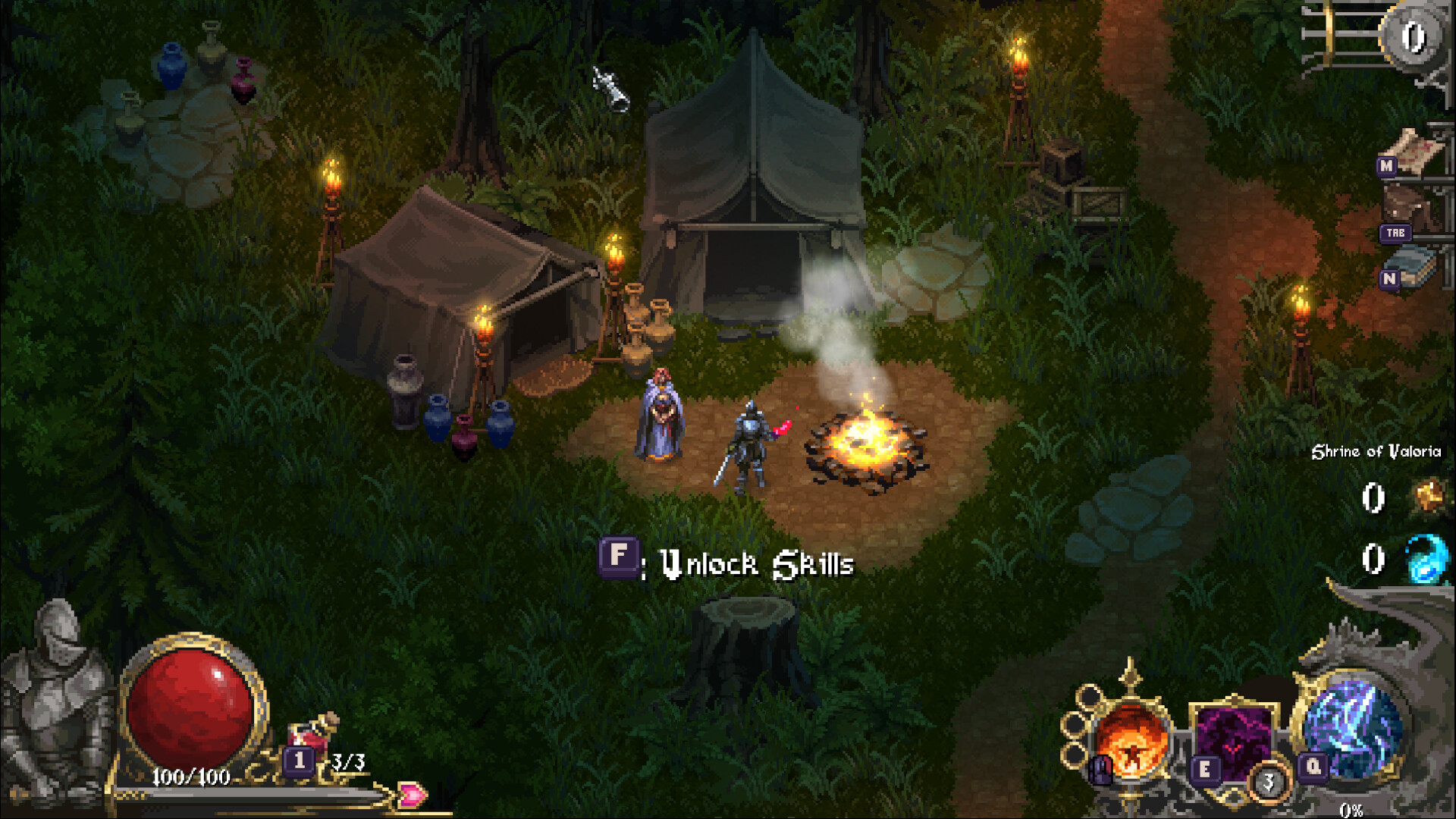
Your starting loadout dictates the rhythm of your run. While you will find new gear as you explore, knowing which weapons and ultimates to unlock permanently at the shrines will save you hours of grinding.
The Divine Spear: As mentioned, this is the premier defensive weapon. Its thrusting attacks have a narrow hitbox but incredible range. Upgrading it allows you to pierce through multiple enemies, making it fantastic for hallway choke points.
The Shadow Blade: The weapon of choice for status-effect builds. Its rapid attack animation means any rune that triggers "on hit" (like poison, bleed, or chain lightning) will activate twice as often as it would on a heavier weapon.
Brumal Scythe: A slower, sweeping weapon that excels at crowd control. When paired with ice magic, it can freeze entire groups of enemies in a single swing, giving you precious seconds to reposition or charge a heavy spell.
Voltara (Ultimate): Easily the best ultimate to unlock early on. It provides a massive burst of AoE damage that can instantly clear a room or chunk a boss's health bar, giving you a panic button when you get cornered.
Managing the Curse: Survival Tips for High-Level Runs
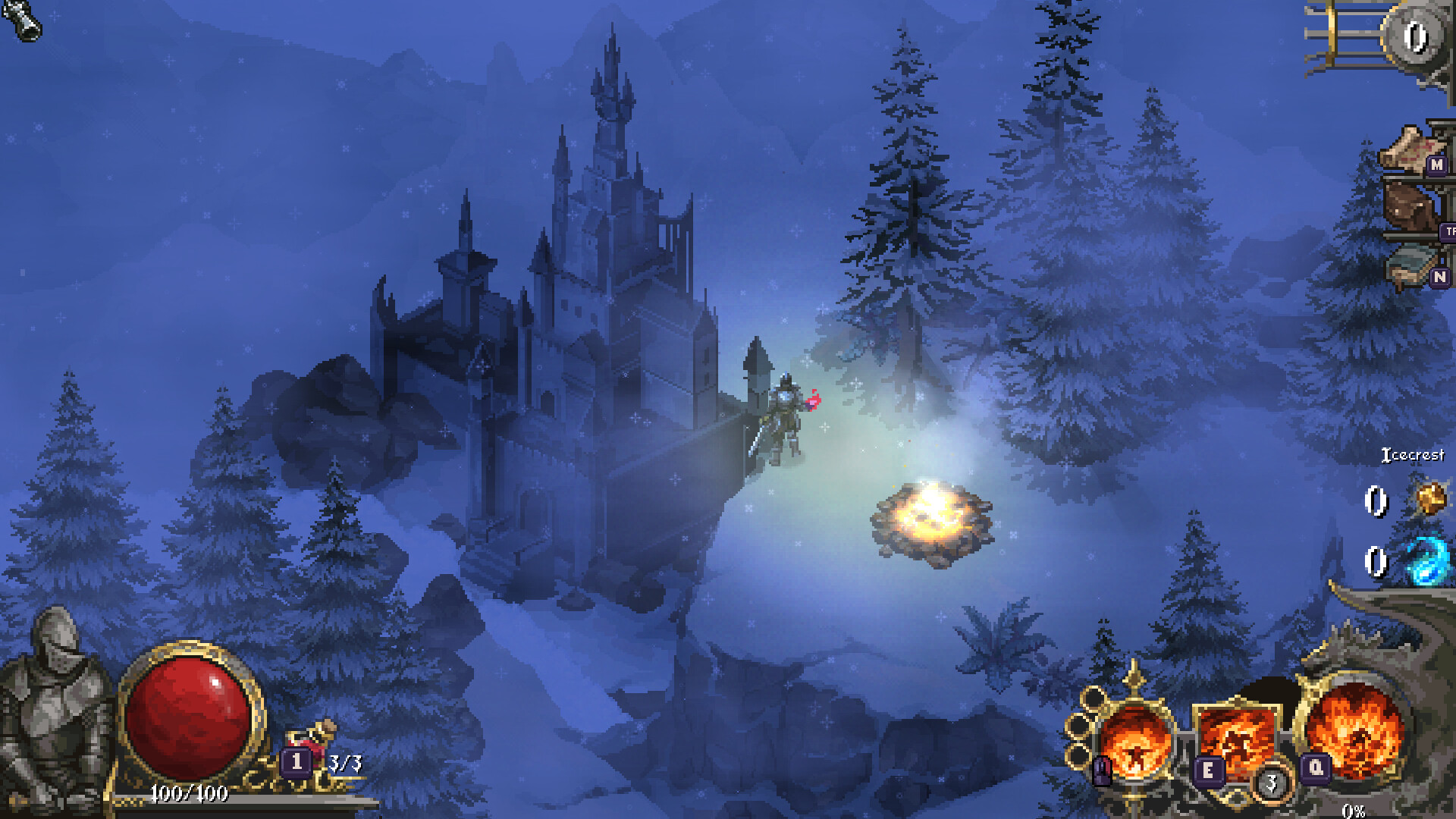
Your biggest enemy in Cursemark is not the bosses, the elite enemies, or the traps—it is your own greed. The game features a unique "Curse Mechanic" that actively punishes you for taking too long.
"The curse tightens with every single room you clear." This is the fundamental rule of the Unknown Lands. Every time you enter a new area, the global difficulty slightly increases, enemies hit harder, and environmental hazards become more lethal. "Players often die because they over-explore optional rooms," hoarding minor loot while the curse scales out of control. By the time they reach the boss, they are facing an overtuned nightmare with depleted health flasks.
The secret to deep runs is efficient routing. You do not need to kill every enemy or open every chest. "Prioritize wells that grant +20% max HP early on," as a larger health pool is the only reliable way to survive the massive burst damage of Zone 2 and Zone 3 bosses. If a well offers a choice between a minor damage buff and a health increase, always take the health.
Furthermore, focus on upgrading a narrow set of tools rather than spreading your resources thin. Depth beats breadth in Cursemark. "A level 5 rune will always outperform level 1 alternatives," even if those alternatives technically offer better utility on paper. Spend your essence upgrading your primary damage spell and your main defensive ward, and ignore the rest.
The Verdict: Experimentation is King
Cursemark is a game that rewards bold experimentation. Because the rune system is so flexible, a build that sounds terrible on paper—like a poison-infused healing ward or a melee-range fireball—might just be the synergy that carries you to victory. Do not be afraid to rip your build apart halfway through a run if you find a legendary rune that changes the math. The Unknown Lands are brutal, but they give you all the tools you need to break the game. You just have to be smart enough to put them together.
Sources
- PC Gamer: 15 minutes is all you need in this roguelike action RPG to feel like a maxed-out Diablo god.
- Into Indie Games: Cursemark - Best Weapons [Ranked] & Ultimate Tips Guide.
- GameBrief: Cursemark Tips: 10 Things to Know Before Your First Run.
- Steam: Cursemark Early Access Community Hub and Patch Notes.