To evolve in NEXTINDIE's brutal prehistoric survival game, you must abandon traditional XP grinding and master the core "Growth + Nesting = Evolution" system. The exact evolution requirements Mesozoic Dawn demands are a fully matured juvenile state, 100% organ health across your stomach, lungs, and heart, consistently high-nutrient food consumption, and a successfully constructed nest using gathered stones and wood in the correct environmental temperature.
Unlike shallow dinosaur simulators that simply award points for time survived, Mesozoic Dawn forces you to earn your place at the top of the food chain. This guide breaks down the exact biological thresholds, nesting materials, and combat survival tactics you need to achieve leapfrog species iteration and dominate Jurassic Island.
The Core Formula Behind Evolution Requirements Mesozoic Dawn
Most modern survival titles rely on a passive experience bar to gate progression. Mesozoic Dawn takes a radically different, hardcore approach to species breakthrough. The developer explicitly designed the game around a biological imperative: "Growth + Nesting = Evolution." You cannot simply hide in a bush for three hours and magically transform into a Dakotaraptor. You have to actively participate in the ecosystem, secure high-value territory, and breed.
The evolution map built into the game currently tracks over 40 playable creature characters, with plans to expand to 100+ species spanning beyond the Triassic period. To move from a vulnerable juvenile to an apex predator, you have to execute a flawless life cycle. Every action you take—from the food you eat to the temperature of the biome you choose to nest in—feeds into your evolutionary potential. If you fail to meet the baseline growth thresholds, your bloodline stagnates.
Surviving long enough to evolve is complicated by the game's ruthless social dynamics. The official lore warns players: "Don't trust anyone or make noises easily. Your companion may also be Covetously to you." Betrayal is common, and the noise generated by gathering nesting materials often attracts predators right as you are on the verge of meeting your evolution requirements.
Growth Phase: Organ Health and Energy Conversion
The underlying engine of your dinosaur’s growth relies entirely on maintaining a delicate balance between your Stomach, Lungs, and Heart. In Mesozoic Dawn, hunger, thirst, stress, or a poorly timed injury will directly damage these organs, drastically reducing your energy conversion efficiency.
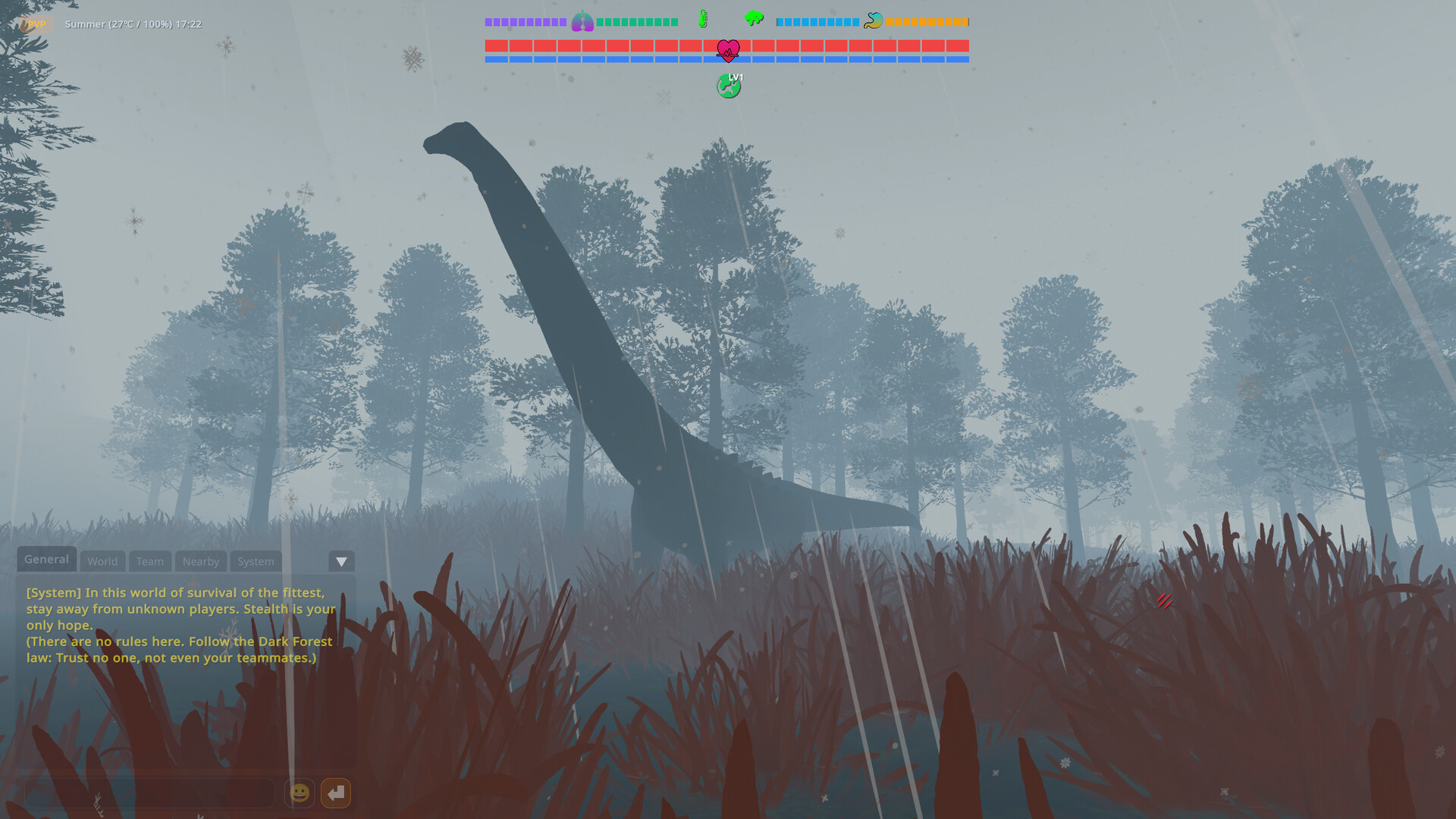
To reach the growth threshold required for evolution, you must process high-nutrient food at peak efficiency. If your stomach is damaged from starvation, or your lungs are compromised from over-exhaustion, your energy conversion plummets. This means that even if you are eating top-tier carcasses, your body won't absorb the nutrients necessary to trigger the nesting phase.
Players must constantly monitor their environmental stressors. Temperature, humidity, and oxygen levels weave a strict survival web. Venturing into a biome that is too cold will stress your heart, lowering your overall vitality and stalling your growth percentage. You must reach 100% maturity with pristine organ health to unlock the ability to lay an evolutionary egg.
Specific Evolution Requirements Mesozoic Dawn Players Must Hit
When moving up the raptor evolutionary tree, specific numbers dictate your success. To evolve from a Deinonychus into a Utahraptor, and eventually a Dakotaraptor, your nutrient levels must consistently hover above 85%. You cannot simply scrape by on scraps; you must hunt aggressively to secure the high-nutrient yields required for species breakthrough.
Below is a breakdown of the exact thresholds needed to push your bloodline forward. These metrics represent the core evolution requirements Mesozoic Dawn demands for its primary carnivore lines:
| Base Species | Evolution Target | Nutrient Threshold | Nest Materials Required | Optimal Temperature |
|---|---|---|---|---|
| Juvenile | Deinonychus | 75% | 10 Stones, 5 Wood | 24°C - 26°C |
| Deinonychus | Utahraptor | 85% | 20 Stones, 15 Wood | 26°C - 28°C |
| Utahraptor | Dakotaraptor | 95% | 35 Stones, 25 Wood | 28°C+ (Male Bias) |
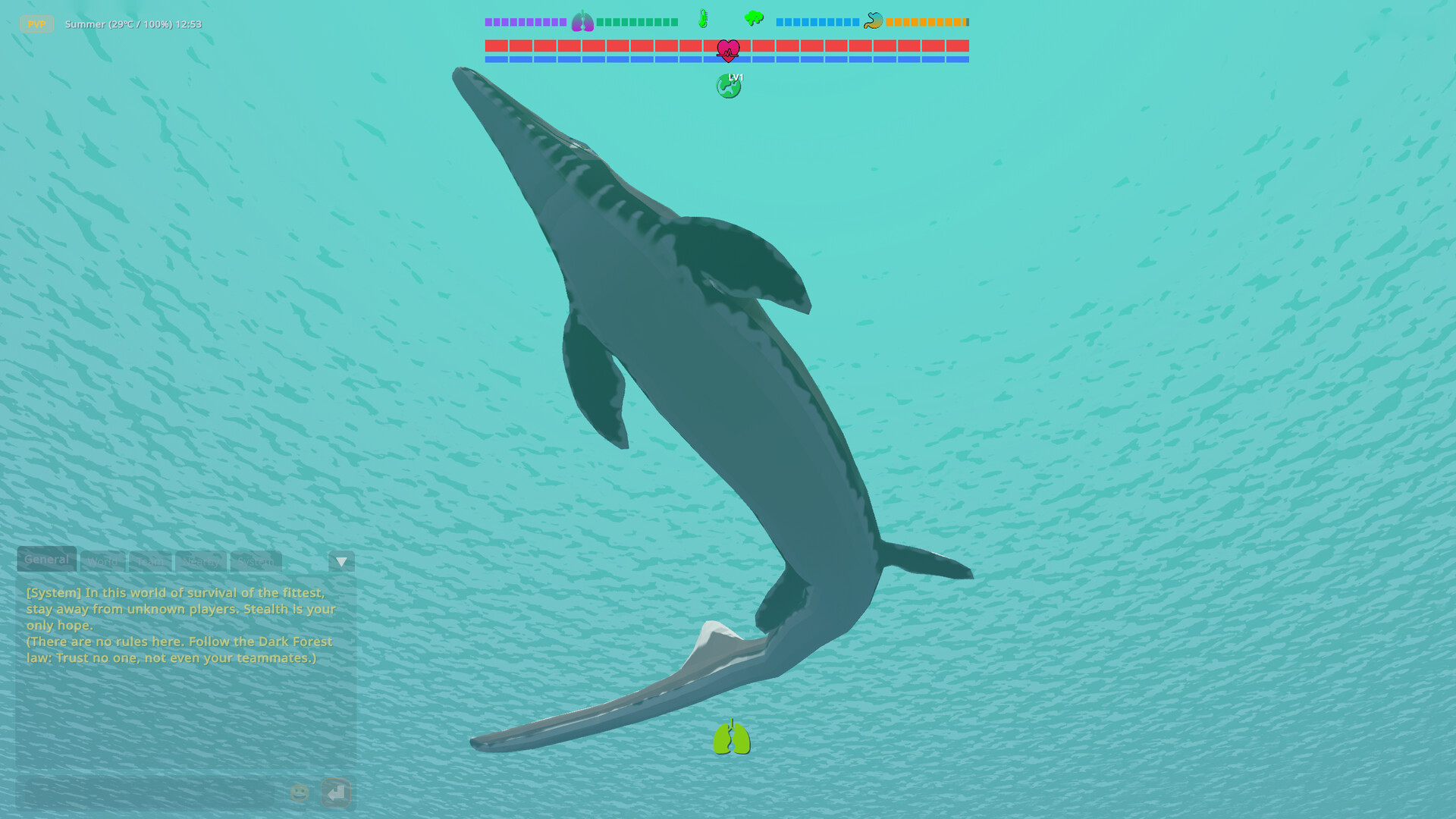
Achieving these numbers requires meticulous planning. Gathering 35 stones and 25 pieces of wood as a Utahraptor without drawing the attention of a rival pack is one of the most tense experiences on Jurassic Island. You must stockpile these materials in a hidden, temperature-controlled enclave before initiating the egg-laying sequence.
Nesting Phase: How Temperature and Materials Affect Evolution
The nesting phase is where the "Growth + Nesting = Evolution" formula truly materializes. Once you have hit your growth and nutrient thresholds, you must physically construct a nest. Nesting requires you to manually gather stones and wood from the environment to construct a safe haven. The stones form a protective thermal barrier, while the wood and foliage provide the necessary insulation for the egg.
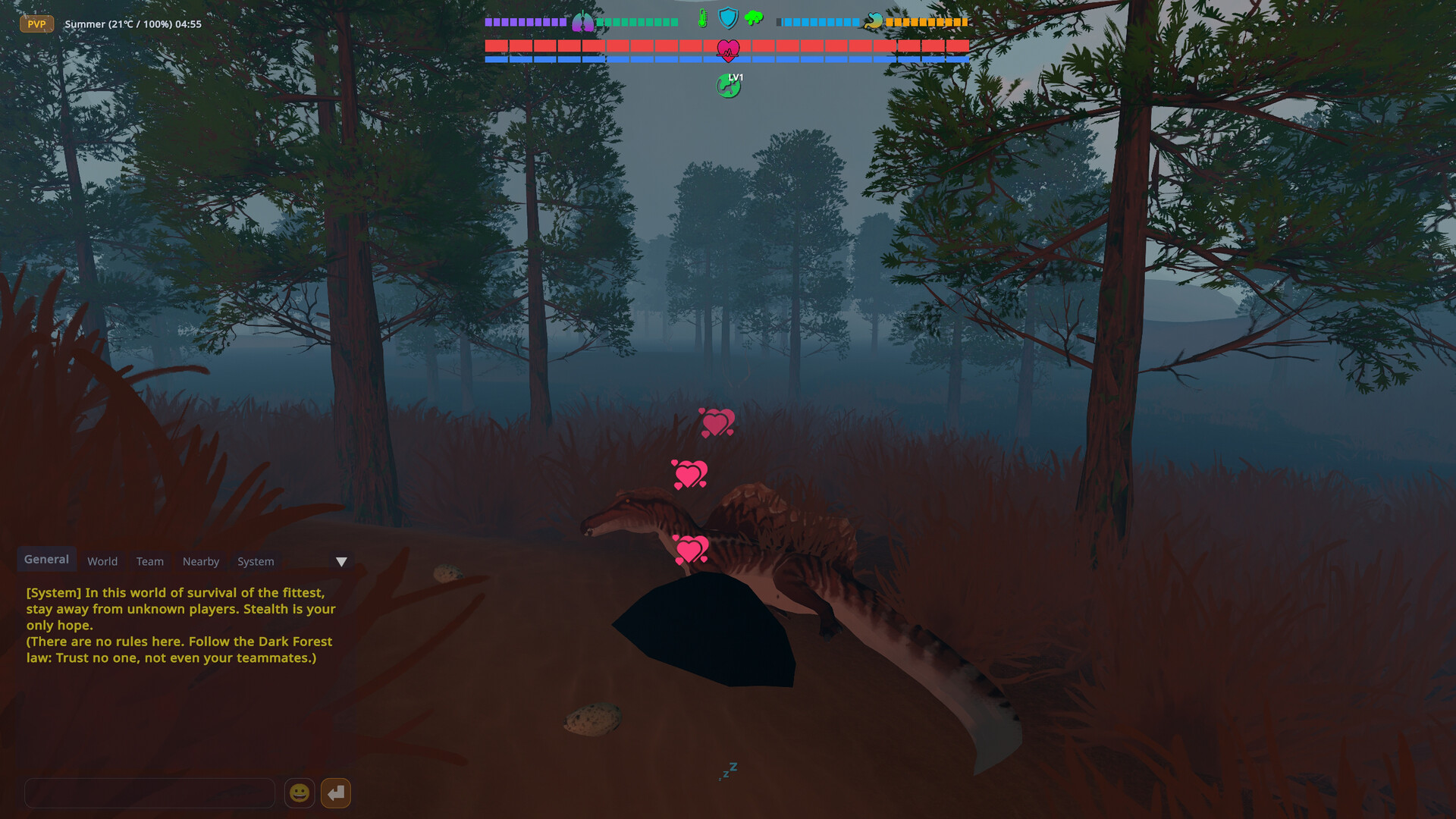
One of the most complex mechanics in the game is how environmental temperature directly dictates the offspring's gender. In Mesozoic Dawn, males naturally possess size and combat advantages, making them highly desirable for players aiming to dominate PvP engagements. To guarantee a male Dakotaraptor, you must build your nest in a microclimate that sustains temperatures of 28°C or higher.
The game also supports diverse breeding paths. You can achieve evolution through asexual reproduction if you cannot find a suitable partner, but finding a mate grants significant genetic stat bonuses to the resulting offspring. However, calling out for a mate makes noise, violating the cardinal rule of survival and potentially drawing apex predators to your nesting site.
Overcoming Trauma and True Damage Before Evolving
You cannot evolve if you are bleeding out. Combat in this game is highly tactical due to the localized body-part damage system. Striking different parts yields vastly different damage multipliers and defensive returns. If you take a heavy blow to the legs while fleeing, your mobility is permanently crippled until the wound heals, making it impossible to gather the stones and wood needed for your nest.
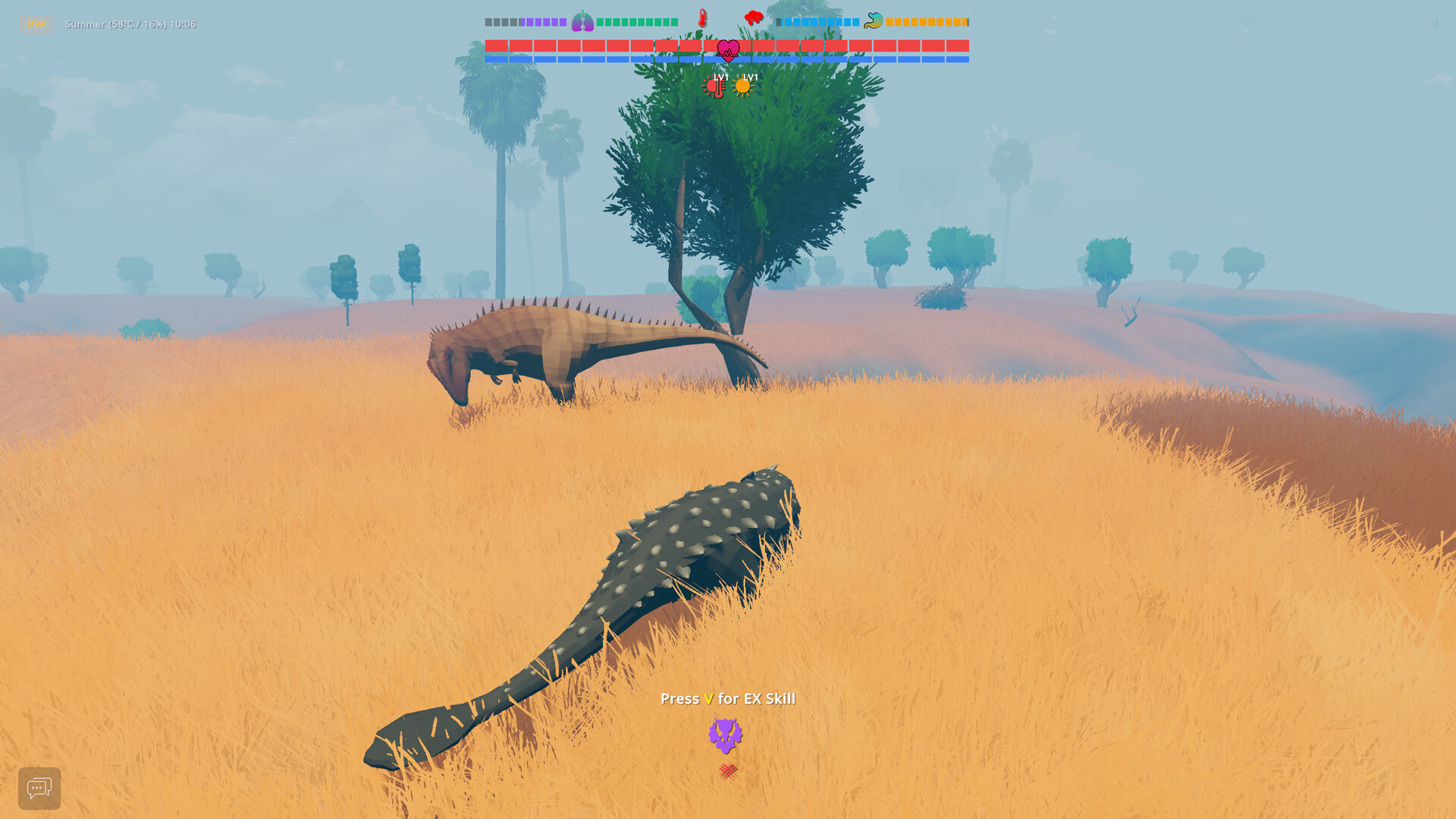
More importantly, players must understand the difference between standard damage and True Damage. True Damage bypasses armor to deplete health directly and accumulates trauma. Trauma is a hidden killer in Mesozoic Dawn; it actively suppresses health regeneration. If you survive a fight with a Triceratops but accumulate high trauma, your body will refuse to heal, your organ health will degrade, and your energy conversion will stop. You must rest in a secure location, manage your stress, and let the trauma dissipate before you can resume your path to evolution.
FAQ: Evolution Requirements Mesozoic Dawn
Do I need a mate to evolve in Mesozoic Dawn? No. The game's breeding system supports both asexual reproduction and mated reproduction. While finding a mate provides genetic stat bonuses to your newly evolved species, you can still achieve leapfrog species iteration entirely solo by gathering the required stones and wood and laying an egg asexually.
Why is my evolution blocked even though I have 100% growth? Evolution is gated by organ health and trauma. If you have recently taken True Damage, your accumulated trauma will suppress your health regeneration and block the nesting phase. You must also ensure your nutrient levels are above the specific threshold for your target species (e.g., 85% for a Utahraptor) and that you have gathered enough nesting materials.
How does temperature affect my dinosaur's evolution? Environmental temperature directly determines the gender of your offspring during the egg-laying phase. Nesting in warmer climates (28°C+) biases the egg toward a male yield. Because males naturally possess size and combat advantages in the game's ecosystem, controlling your nest's temperature is a critical endgame strategy.
Can I evolve into creatures outside the Triassic period? The developer has confirmed that the roster of 40+ playable creatures will expand to over 100 species, explicitly including creatures from beyond the Triassic. As long as you master the "Growth + Nesting = Evolution" loop, you will be able to unlock these advanced apex predators as they are added to Jurassic Island.