If you are wondering exactly how to clean finds Treasure Beach style, you have come to the right place. In Rogue Duck Interactive’s cozy simulation game, scavenging the sand is only the first step of your daily routine. The core loop demands that you dig up buried items, haul them back to your workshop, and meticulously restore them before placing them on your trinket shop’s shelves. Mastering this restoration mechanic transforms 3-gold junk into high-value inventory, giving you the capital needed to buy back the shoreline from the greedy hotel developer.
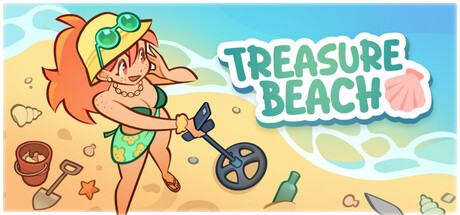
When you first unearth an item, it is usually caked in sand, waterlogged, or heavily damaged. If you try to bypass the workshop and sell a dirty item directly to your customers, stingy shoppers will offer you absolute pennies. Taking the time to process your loot is what separates a struggling beachcomber from a wealthy shop owner.
Why Learning How to Clean Finds Treasure Beach Style Matters
In the world of Treasure Beach, the economy is entirely dependent on the condition of your inventory. If you find a waterlogged flight ticket to Amsterdam, an impatient player might sell it immediately as a raw find for a measly 3 gold. However, by taking the time to process your loot, you trigger a massive value multiplier. Running that same flight ticket through the proper restoration channels can inflate its value up to 150 gold.
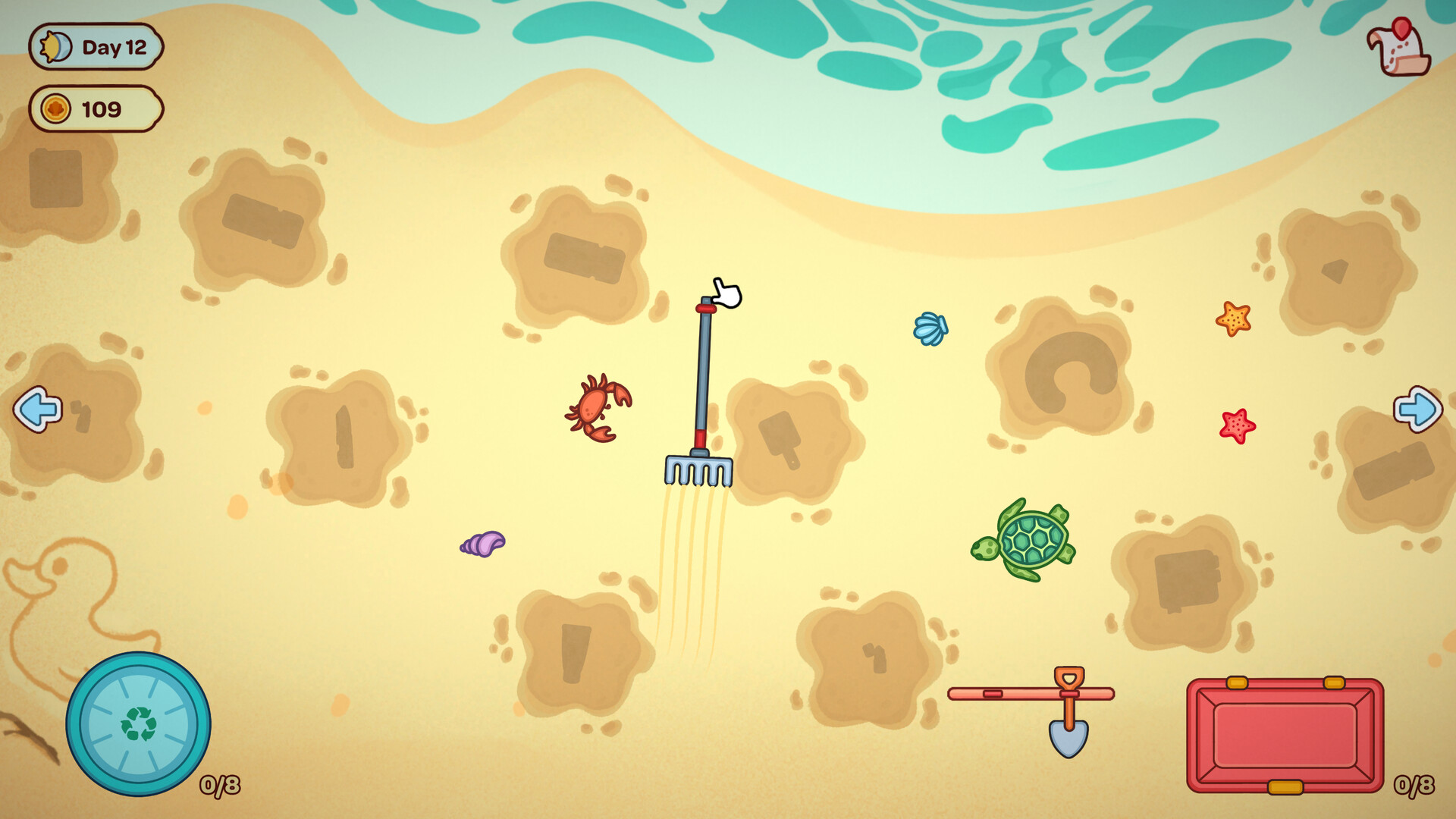
Since the game’s ultimate objective is to earn enough capital to purchase parcels of land back from a corporate hotel developer, maximizing your profit margin on every single item is mandatory. You simply cannot reclaim the map by selling trash. Every time you buy a beach parcel, the hotel's footprint shrinks, and your scavenging area expands, unlocking deeper digging spots and rarer items. To fuel this expansion, your workshop must operate at peak efficiency.
The Workshop Setup: Essential Tools for Restoring Your Loot
Your workshop serves as the beating heart of your seaside business. Before you can stock your shop and haggle with tourists, you need to route your daily haul through the correct cleaning stations. Understanding which tool applies to which type of loot is the foundation of the game's economy.
First, you have the Drying Line. Wet items—such as soggy boarding passes, vintage clothing, or waterlogged journals—must be hung up to air dry. In the early game, this process is entirely passive but incredibly slow, taking a full 24 in-game hours to complete.
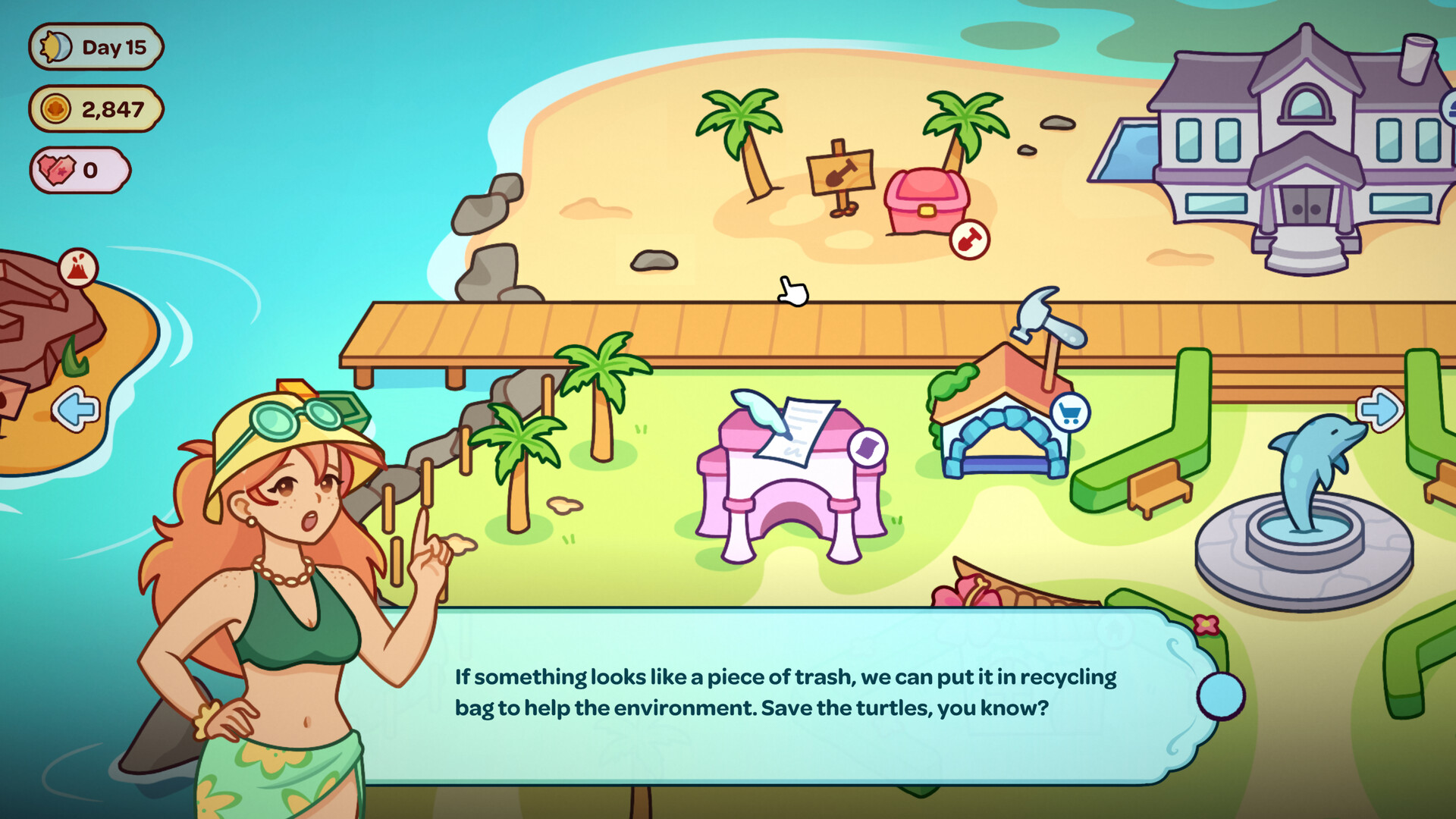
Next is the Electronic Dryer. High-tech finds, including luxury watches and top-secret files, require specialized care. You cannot just wipe them down with a rag; they must be processed in the electronic dryer to safely remove moisture without short-circuiting the internal components.
For torn fabrics, you will use the Sewing Kit, which triggers a precision minigame to mend rips. Finally, the Polishing Wheel is reserved for tarnished metals. Pirate relics and old coins need a heavy brush and a good buffing to shine before they are ready for the display case.
Step-by-Step: How to Clean Finds Treasure Beach Mechanics Explained
If you want to master how to clean finds Treasure Beach requires you to actively participate in the restoration process through a series of hands-on minigames. The game intentionally avoids a generic automated button, forcing you to appreciate the tactile nature of mudlarking and restoration.
Sand Removal is the most common task. The majority of items dug out of the beach are covered in a thick layer of grime. You must manually use a heavy brush tool to physically scrub the sand off the object, rotating the item in 3D space to ensure you do not miss any hidden dirt patches on the underside of a pill box or a vintage compass.
The Sewing Minigame is triggered when you attempt to repair torn clothing. For example, if you find a ripped white top, you enter a screen where you must click specific targeted circles to stitch the fabric back together. Early community feedback noted that clicking a white circle on a white shirt was visually challenging, highlighting the precision required to succeed in these minigames.
For metal items, the Polishing mechanic requires you to apply a chemical compound and rub away the rust until the pristine surface is revealed. Taking the time to perfect these manual cleaning steps guarantees that your items hit the shop floor in pristine condition, ready to command premium prices.
Upgrading Your Cleaning Equipment for Maximum Profit
As your shop becomes more successful and your gold reserves grow, your next priority should be visiting the local DIY store. Upgrading your workshop is the only way to keep pace with the increasing volume of loot you will dig up from newly unlocked beach parcels.
Investing in your tools directly impacts your daily processing output. Upgrading the Drying Line increases its capacity by adding more slots and drastically reduces the time it takes for wet items to become sellable. Similarly, purchasing upgrades for the Electronic Dryer boosts its processing speed, ensuring that high-value electronics do not bottleneck your inventory flow.

You can also enhance your Sewing Kit for better precision, making the minigames slightly more forgiving, and upgrade your Polishing Wheel to achieve maximum shine on rare pirate relics. Transitioning from a slow early-game workflow to a highly efficient late-game output is what ultimately accelerates your hotel buy-back timeline.
The Daily Scavenging Loop: When to Dig vs. When to Clean
Time management is a crucial factor in Treasure Beach. Because the game operates on a strict day-night cycle, you cannot spend all your time mindlessly digging in the sand. A successful shopkeeper must balance their hours between the shoreline and the workshop.
Typically, the optimal strategy is to spend your morning hours combing the beach. Equip your metal detector and shovel to gather a massive pile of raw loot. By early afternoon, you should transition back to the workshop. This gives you enough daylight to initiate the longer cleaning processes. For instance, hanging your wet items on the Drying Line before dusk ensures that the 24-hour countdown overlaps with the night cycle, allowing you to wake up to dry, sellable goods the next morning.
If you delay your cleaning duties until the evening, you risk bottlenecking your inventory. The Electronic Dryer and Polishing Wheel require active participation, meaning you cannot just queue them up and go to sleep. Mastering this rhythm—digging in the morning, cleaning in the afternoon—is the secret to maintaining a fully stocked trinket shop and keeping the gold flowing.
Curating Collections and Gaining Haggle Leverage
Beyond raw gold value, cleaning your finds plays a critical role in completing the game's overarching item collections. As you scavenge, you will uncover pieces belonging to specific sets, such as the Lost Love Collection, the Mystical Memoirs Collection, and the Pirate Relics Collection. The game’s lore is hidden within these items, but the catch is that items cannot be registered to these collections until they are fully restored. A mud-caked diary will not trigger a lore entry; you must carefully clean it first.
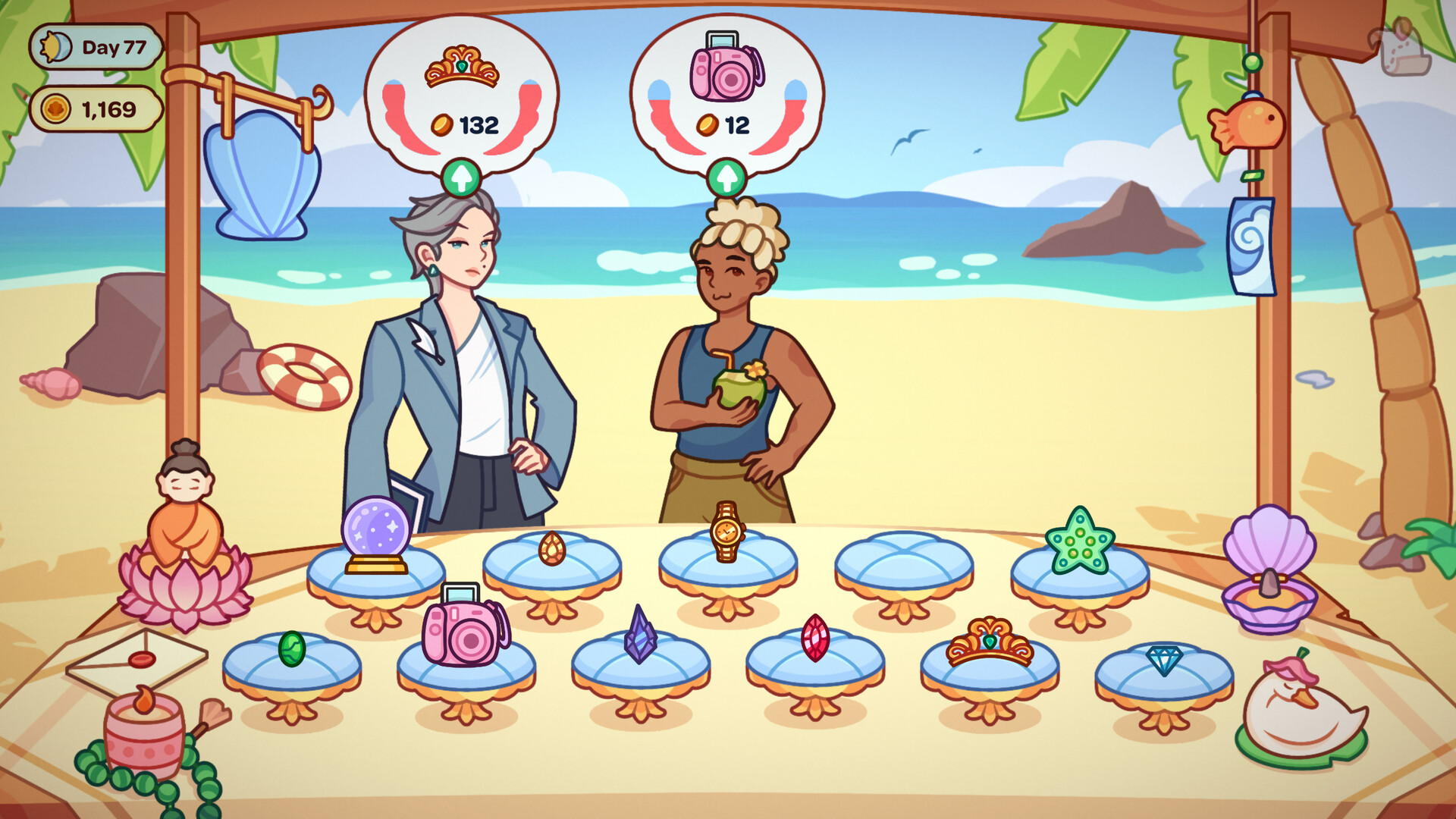
Furthermore, the bartering system heavily favors a well-stocked, pristine shop. Shoppers in Treasure Beach are notoriously stingy and impatient. If you attempt to haggle over a dirty item, their patience meter drops rapidly, and they will abruptly walk out of your store. Conversely, presenting a flawlessly cleaned luxury watch or a perfectly sewn garment gives you maximum leverage. Clean items inherently possess a higher base value, but they also grant you a wider haggling window, allowing you to push the price tag higher without risking the sale. This leverage is what enables you to afford the exorbitant prices the hotel developer demands for the beach parcels.
Frequently Asked Questions: How to Clean Finds Treasure Beach
What happens if I don't clean my items in Treasure Beach? If you choose not to clean your items, they will be classified as raw finds or trash. Shoppers will heavily lowball you, offering as little as 3 gold for items that could otherwise sell for over 100 gold when fully restored.
How long do wet items take to dry? At the beginning of the game, wet items like clothing and boarding passes take a full 24 in-game hours to dry on the Drying Line. You can reduce this time by purchasing upgrades at the DIY store.
Can I automate the cleaning minigames? No, Treasure Beach is designed as a hands-on cozy job simulator. You must manually scrub sand, polish metal, and complete the sewing minigames to restore items, though tool upgrades make these processes faster and more efficient.
Where do I buy better cleaning tools? All workshop upgrades, including larger drying racks and faster electronic dryers, can be purchased at the DIY store using the gold you earn from your trinket shop.
Sources
- Rogue Duck Interactive: Treasure Beach Steam Community Updates and Patch Notes (v0.8.0).
- PC Gamer: "Treasure Beach is a scavenger game where you can sell what you find hidden in the sand to stingy shoppers."
- Games.gg: Treasure Beach Scavenger Sim Mechanics and Review.
- Exophase: Treasure Beach Global Achievements and Collection Tracking.