If you are jumping into the 1.0 release of ACE Entertainment’s yokai farming sim and wondering exactly how to get pets Tales of Seikyu style, you are not alone. The island of Seikyu is teeming with mystical creatures, wild animals, and towering dungeon monsters, but the game does not immediately hand you a loyal companion. Instead, it demands that you engage with its layered affinity and transformation systems to earn the trust of the local fauna.
Unlike traditional farming simulators where you simply buy a dog from a local vendor, Tales of Seikyu treats animal companionship as an active pursuit. Whether you want an aardwolf patrolling your crops, a cat lounging by your hot springs, or a massive stone Golem captured for a high-profit sale, you need to understand the underlying mechanics of taming, stamina management, and yokai forms. Here is the definitive breakdown of how to turn the wild creatures of Seikyu into your personal farmhands and companions.
The Core Mechanics: How to Get Pets Tales of Seikyu Style
To master the taming system in Tales of Seikyu, you first need to categorize the wildlife. The game divides its creatures into three distinct tiers, each requiring a different approach:
- Domestic Pets: These include cats, dogs, weasels, iguanas, and aardwolves found wandering the overworld. They are tamed through daily social interactions and feeding.
- Livestock: Animals like cows, chickens, goats, capybaras, red pandas, and crested ibis. These are acquired primarily for ranching and resource production (eggs, milk, rare materials) and require specific ranch facilities rather than taming mechanics.
- Monsters: Aggressive entities like Slimes, Onis, and Golems found in the Ruin Dungeons. These are tamed through combat-adjacent mechanics and are highly lucrative when sold.

For standard pets, the process is an exercise in patience. You cannot simply throw a capture item at a wild cat and call it a day. You must approach the animal in the wild, offer it food that matches its preferences, and pet it to slowly build an invisible affinity meter.
This daily loop requires consistency. If you ignore a wild iguana for three days after feeding it once, its affinity will stagnate. Dedicate a portion of your daily stamina and inventory to foraging specific treats before you make your rounds. Once the animal's trust threshold is breached, the game allows you to adopt the creature and permanently relocate it to your ancestral farmhouse.
Step-by-Step: Taming Wild Animals (Cats, Dogs, Aardwolves)
Finding your future pet is the easy part. Aardwolves and wild cats frequent the outskirts of the village and the transitional zones near the forest. When you spot one, approach slowly.
The actual taming loop is straightforward but resource-intensive in the early game. You must carry a surplus of raw fish, forged berries, or small crafted meals. While you are busy trying to romance Yui with her favorite strawberry cake or buttering up Hephaestus for better gear, do not neglect your pocket inventory of pet treats.
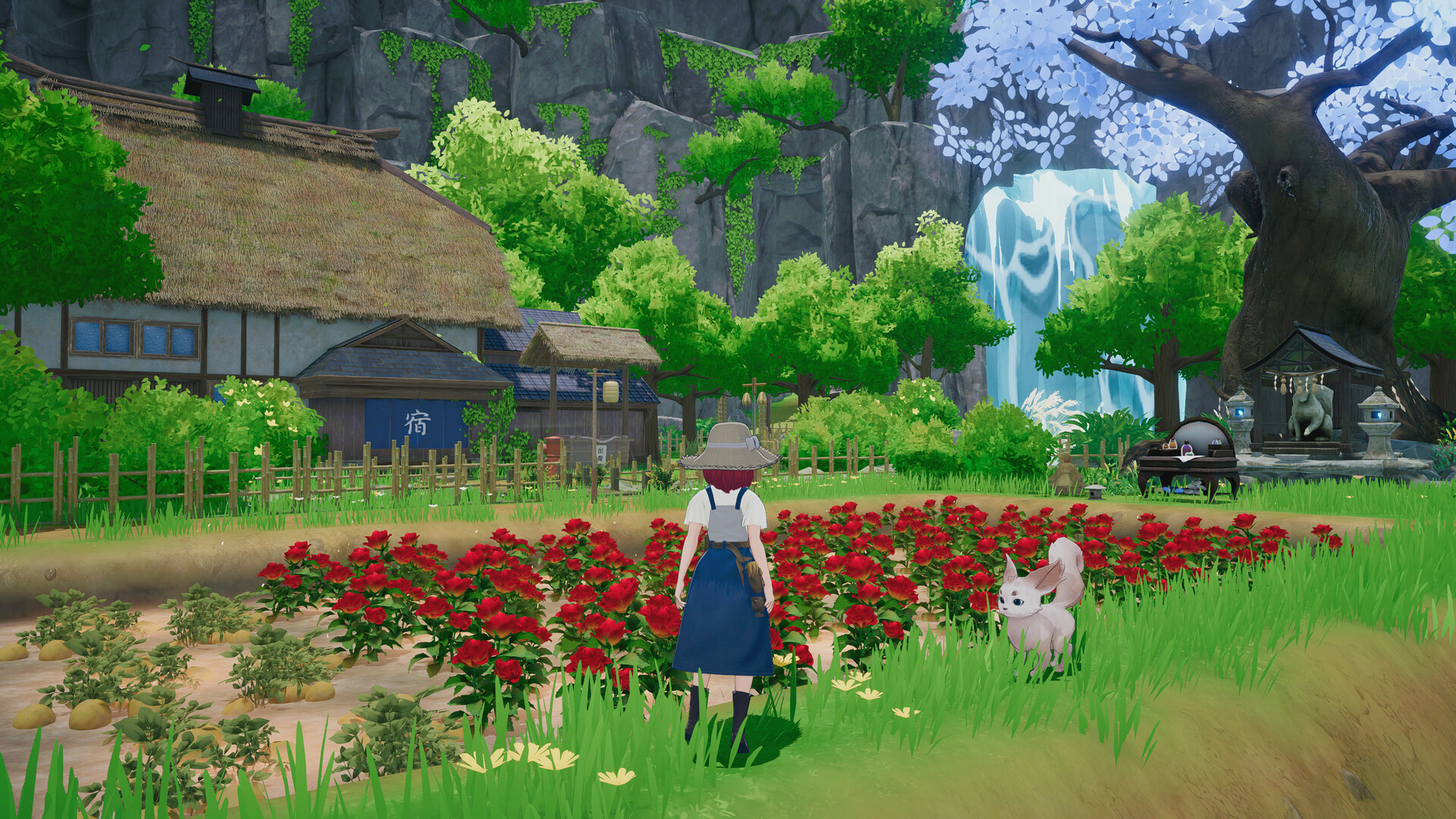
Interact with the animal to feed and pet it. Doing this consumes a small slice of your daily time, so route your pet-taming efforts alongside your daily villager socializing. Once the affinity maxes out, you will receive a prompt to adopt the animal.
However, adopting the animal does not automatically spawn it inside your living room. You must prepare your farm infrastructure first, which brings us to one of the most common hurdles new players face: housing.
Housing Your Rescues: Pet Dens and The Pet Flute
A frequent point of confusion for players transitioning into the mid-game is managing their newly adopted companions. You bring a rescued weasel back to the farm, only to find it standing outside in the pouring rain.
To properly house your pets, you must craft and place a Pet Den. Currently, the game heavily biases toward outdoor pet management. Even if you place a Pet Den inside your upgraded house, the pathing mechanics often dictate that pets prefer the outdoor farm grid.
If your pets are wandering too far into your crop fields or getting in the way of your Boar-form tilling, you need to use the Pet Flute. This specific item allows you to guide your companions around the property, directing them to their designated dens or keeping them corralled in a specific aesthetic zone of your farm. While the 1.0 update brought massive overhauls to marriage and festivals, pet indoor pathing remains a quirk of the engine—so design a cozy, covered outdoor sanctuary for your aardwolves and cats.
Combat Captures: How to Get Pets Tales of Seikyu Dungeons Hide
While domestic pets provide aesthetic charm, dungeon monsters provide cold, hard cash. The combat in Tales of Seikyu leans heavily into Rune Factory territory, meaning the monsters you fight in the Ruin Dungeons are not just obstacles; they are assets.
Taming monsters is an entirely different beast than feeding a stray dog. It is an active, stamina-draining process that scales with difficulty. In the early game, you might successfully tame a basic Slime with minimal effort. But as you push deeper into the ruins and encounter Golems and Hard Onis, the base capture rate plummets.
To reliably tame high-tier monsters, you must upgrade your Fox Form. As a yokai, your true form is that of a fox, though you spend much of the game shapeshifting into a Boar to farm or a Tengu to fly. By investing resources into the Fox Form skill tree via the game menu, you drastically increase your baseline taming success rate. Without these upgrades, attempting to tame a Golem will merely result in a depleted stamina bar and a swift trip to the respawn point.
The Economics of Monsters: Golems, Onis, and Stamina
Taming monsters is arguably the most efficient mid-to-late game money-making strategy, far outpacing basic crop yields. The harder a monster is to tame, the higher its market value. A single captured Golem can fund your next major farmhouse expansion.
However, this economy is balanced by stamina consumption. Initiating a capture on a high-level monster chunks your energy reserves. If the capture fails, that stamina is gone. Therefore, a dedicated monster-taming run requires preparation.

Do not enter the ruins without a massive stack of food. Kebabs are the community-agreed standard for stamina recovery during these runs. Cook 10 to 15 kebabs before heading into the dungeon. When you find a room with a Golem or an Oni, clear the minor enemies first, heal up, eat a kebab to top off your stamina, and initiate the tame.
If you are struggling to make money for the 15,000-chip high-tier weapon sold at the Casino, pivoting from farming to monster taming is the fastest way to bridge the gap. Sell the tamed monsters, alongside the Evil Fangs, Energy Crystals, and Oil Quicks you accumulate along the way, and your financial bottlenecks will vanish.

Beyond Pets: Ranching Capybaras and Red Pandas
It is worth briefly distinguishing between pets, monsters, and livestock, as the game handles them differently. You cannot "tame" a capybara in the wild the way you do an iguana.
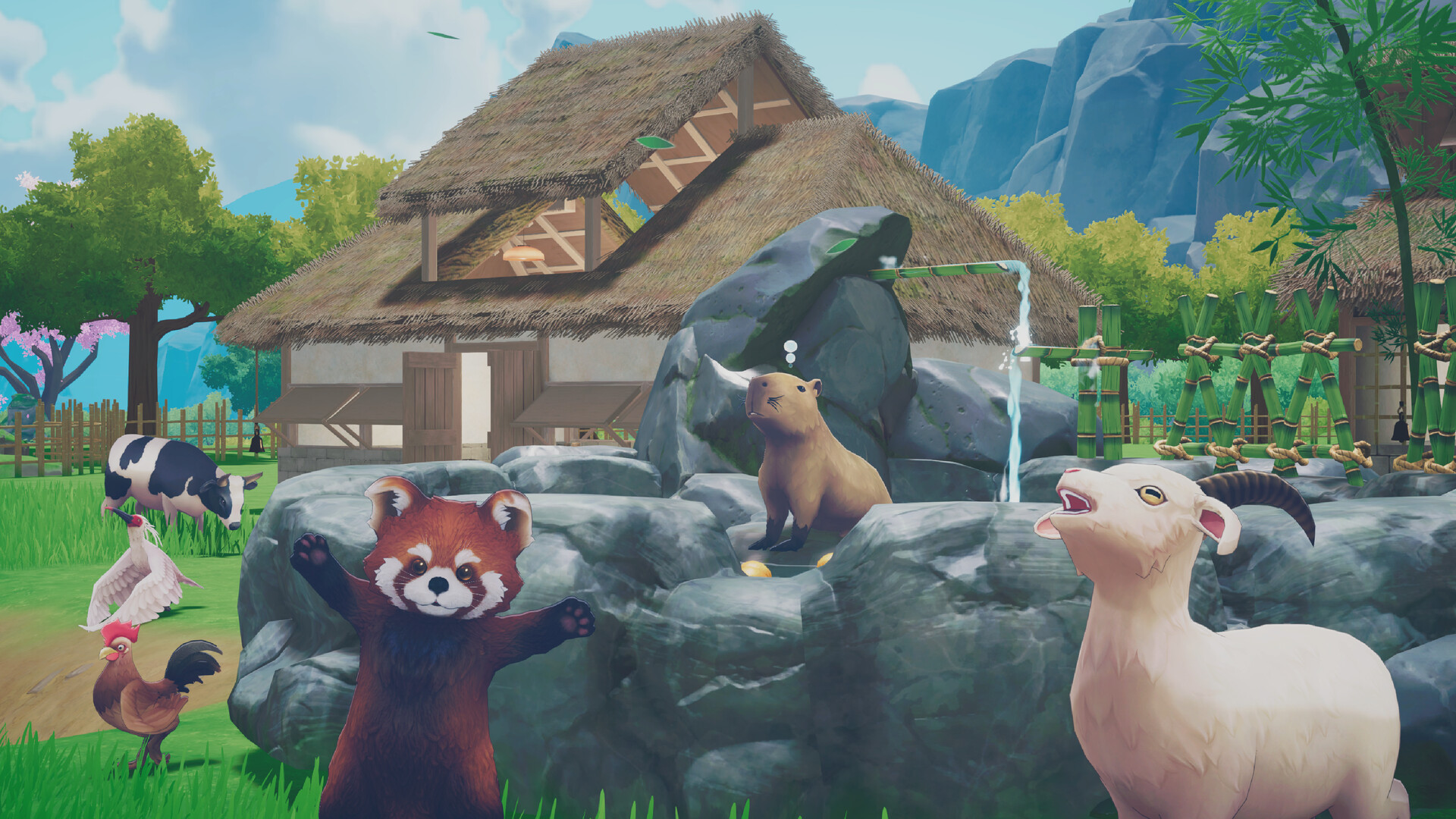
For exotic livestock like red pandas and crested ibis, you must construct specific ranching facilities on your expanded farm plots. These animals function as resource generators. They require daily feeding via troughs and produce materials essential for high-level crafting and cooking. While they offer the same cozy visual appeal as pets, they are economic engines first and foremost. Treat your ranch animals as a daily chore, your pets as a daily joy, and your dungeon monsters as your primary export business.
FAQ: How to Get Pets Tales of Seikyu
Does upgrading my Yokai forms help with taming? Yes. Upgrading your innate Fox Form specifically boosts your taming success rate. If you are failing to capture high-tier monsters like Golems, you need to invest in your Fox Form upgrades via the forms menu.
Can I bring my pets inside the farmhouse? Currently, pets predominantly stay outside. Even if you place a Pet Den indoors, the game’s pathing usually keeps them in the farmyard. Use the Pet Flute to direct them to specific outdoor shelters to keep them out of the rain.
What are the best monsters to tame for making money? Golems and hard Onis yield the highest profits when sold. However, they are incredibly difficult to capture and consume massive amounts of stamina. Always bring a large supply of stamina-restoring food, like kebabs, before attempting to farm them.
How do I get livestock like Capybaras? Unlike wild pets (cats, aardwolves) which are tamed via affinity, livestock must be accommodated by building specific upgraded ranch facilities on your farm. Once the proper enclosure is built, you can populate it with exotic farm animals to harvest their daily produce.
Can I tame the dungeon bosses? No. Bosses are strictly combat encounters designed to progress the story and unlock deeper levels of the Ruin Dungeons. Focus your taming efforts on the elite standard mobs roaming the dungeon floors.