When it comes to the mechanics of repairing treasures Treasure Beach offers a surprisingly deep economic engine beneath its cozy, sun-soaked aesthetic. You aren't just picking up trash; you are funding a localized rebellion against a greedy hotel developer, one polished luxury watch at a time. How does the restoration system work? It requires matching the right tool to the item's condition—like using the electronic dryer for waterlogged gadgets or the sewing station for torn clothing. Once fully restored, items sell for exponentially higher margins, giving you the capital to reclaim your shoreline.
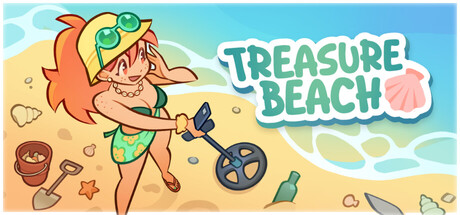
Rogue Duck Interactive has crafted a gameplay loop that sits perfectly at the crossroads of idle management and hands-on crafting. Most shop-keeper simulators give you a vague, endless goal of accumulating wealth. Treasure Beach gives you a tangible, map-visible enemy: the corporate hotel swallowing up the coastline. Every parcel of land you buy back expands your scavenging area, unlocking deeper digging spots and rarer finds. But to afford those exorbitant real estate prices, you cannot simply sell raw junk. You must master the workshop.
The Core Loop of repairing treasures Treasure Beach
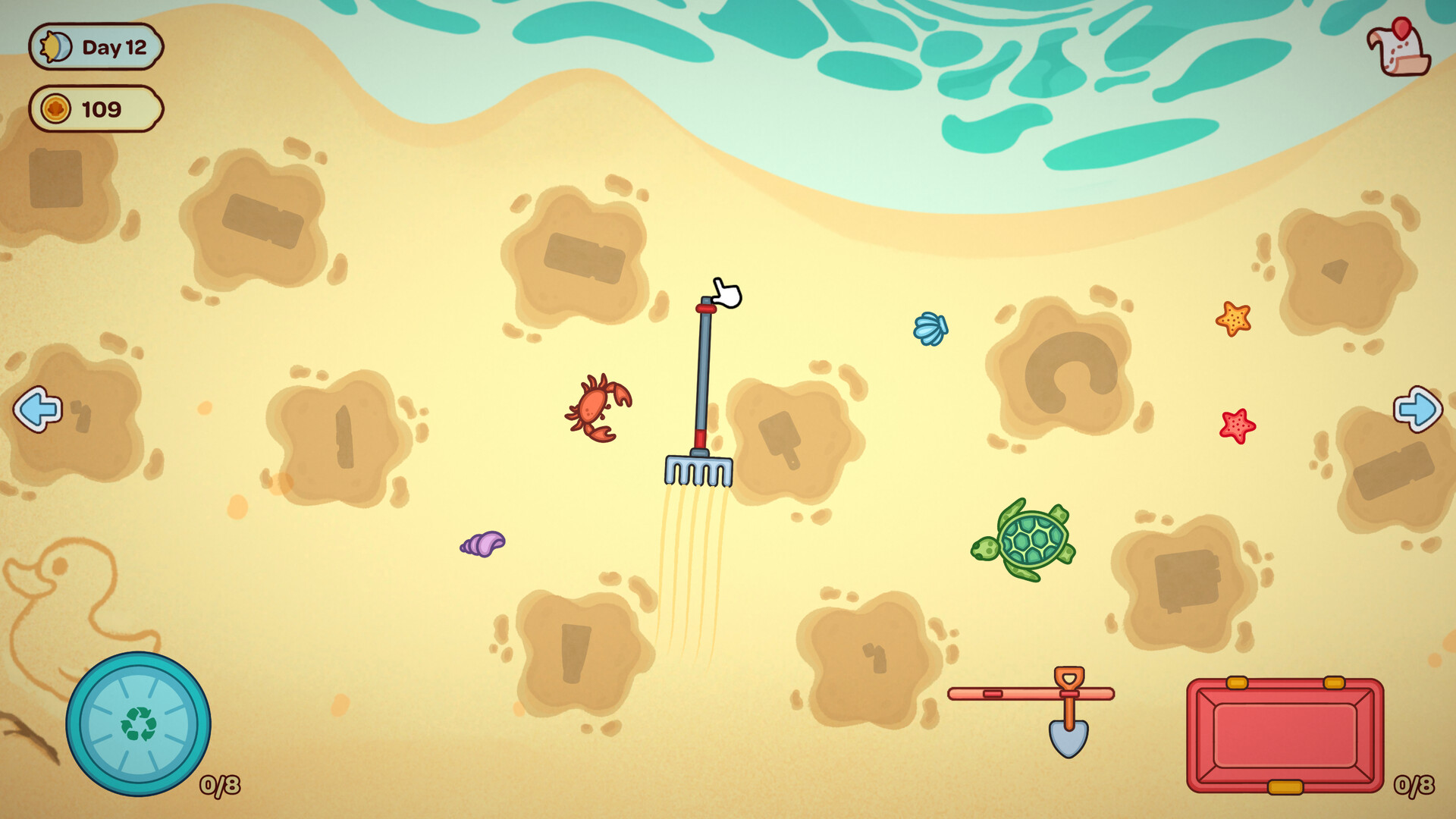
The fundamental rhythm of the game is divided into three distinct phases: scavenging, restoring, and selling. Each pass across the sand yields a mix of genuine rubbish and hidden gems. Learning to quickly differentiate between a worthless pill box and a highly valuable Amsterdam boarding pass is your first hurdle.
Once your inventory is full, the real work begins. The workshop is where raw potential is converted into hard currency. However, the game does not hand you a universal "fix" button. Items are generated with specific damage states—waterlogged, sand-crusted, shattered, or torn.
If you try to sell a wet top secret file to a tourist, they will offer you a paltry 3 Gold. But if you take the time to process that same file through your restoration pipeline, its value skyrockets. This economic reality means your workshop's throughput is the ultimate bottleneck to your success. If your drying platform is full, you cannot process more wet items. If you haven't purchased the right tools from the DIY store, high-tier mechanical items will sit in your inventory gathering dust.
Essential Tools for repairing treasures Treasure Beach
To scale your seaside business, you need to invest heavily in your workshop infrastructure. The DIY store and the electronics store are your primary avenues for progression. Upgrading your cleaning and repair equipment directly dictates which items you can restore and how fast you can turn them around.
The Drying Platform Your earliest and most frequently used tool. Many items pulled from the shoreline are soaking wet. Paper goods, like the aforementioned Amsterdam boarding pass or the story book, must be hung out to dry. This is a time-gated process, often taking a full in-game day. Managing your drying platform space is a crucial early-game skill.
The Electronic Dryer As you unlock deeper digging spots, you will start unearthing modern technology and high-end mechanical goods, such as luxury watches. These cannot simply be hung on a clothesline. They require the Electronic Dryer, a mid-game upgrade that safely removes moisture from delicate internal components without causing short circuits.
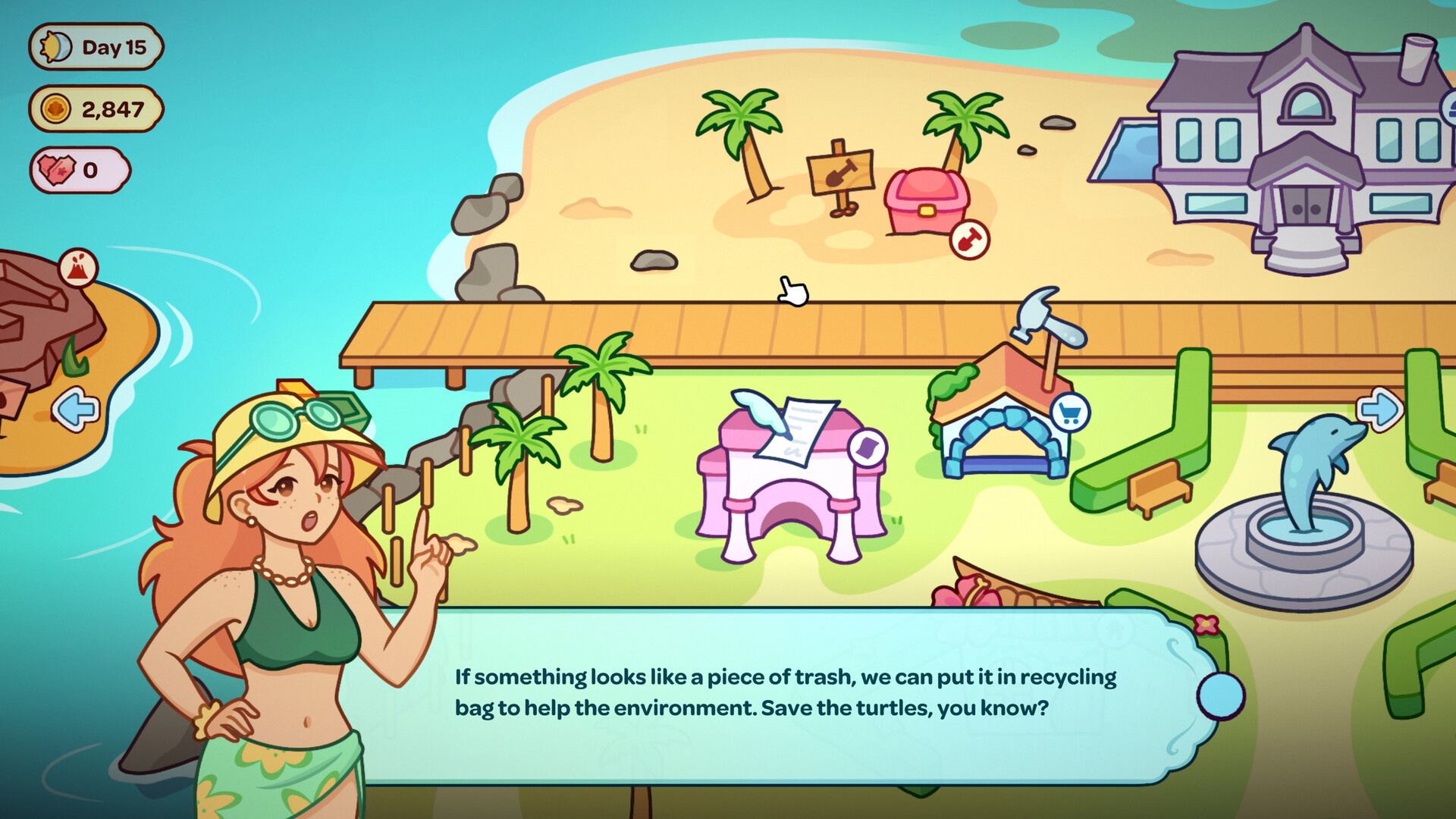
The Sewing Station Clothing items wash up frequently, but they are usually torn or frayed. The sewing station introduces a specific minigame where precision matters. Upgrading your sewing kit allows you to tackle more complex garments and restores them to a "like-new" condition, vastly increasing their appeal to shoppers.
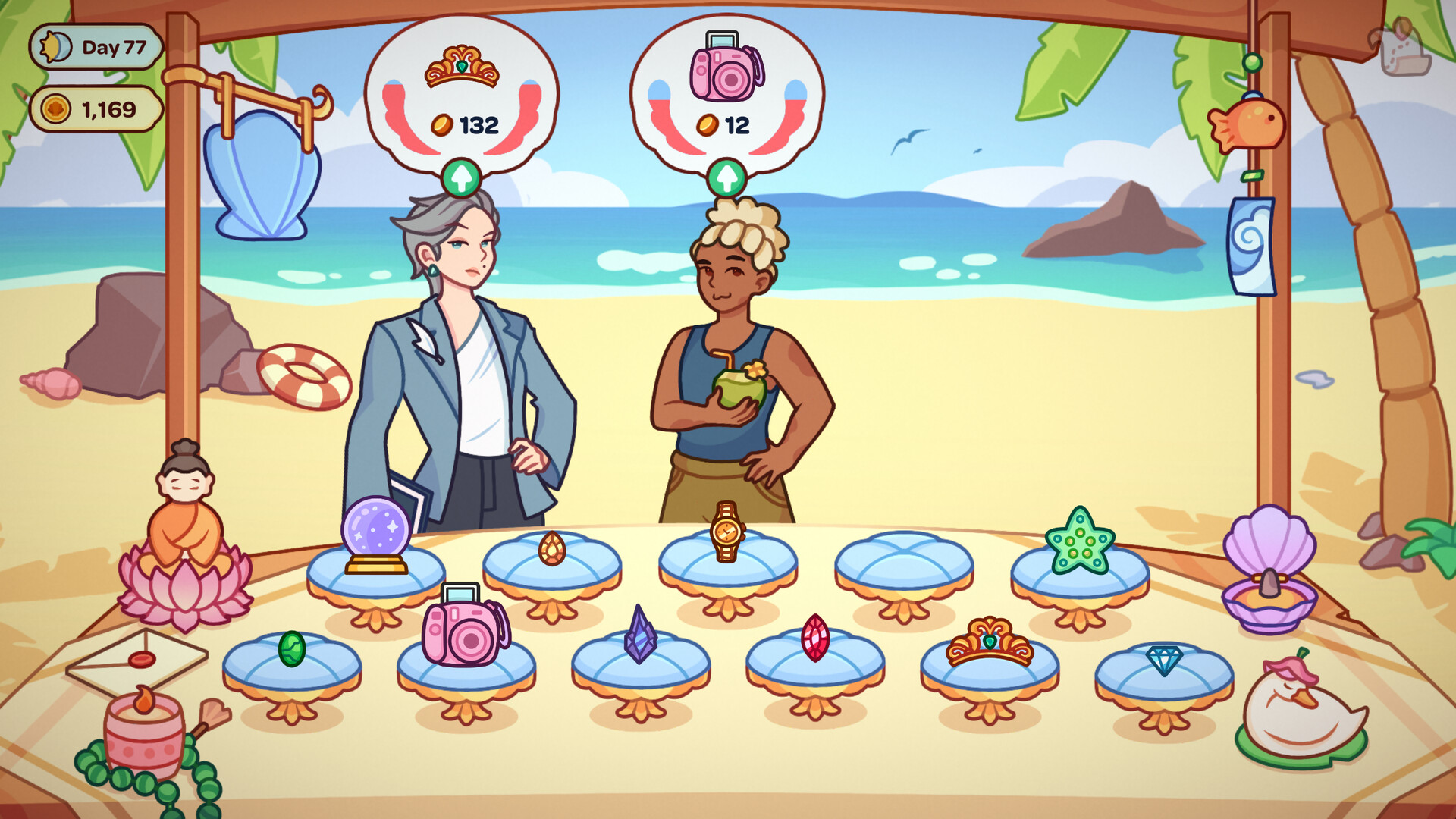
The Incense Holder While not a direct repair tool, the Incense Holder is arguably the most important upgrade in the game. Purchased from the DIY store, placing this item in your shop drastically increases the patience of your customers. Treasure Beach features notoriously stingy shoppers. The haggling system requires time and pushback to get a fair price. The Incense Holder gives you the breathing room to reject lowball offers without the customer storming out.
Minigames and Methods: repairing treasures Treasure Beach
The act of restoration is not passive. Treasure Beach utilizes a series of tactile minigames to simulate the repair process. Currently, the game features several distinct restoration challenges, with more planned for the full 1.0 release.
Restoring Electronics and Mechanicals Take the luxury watch, for example. When you dig it up, it is usually caked in sand and waterlogged. The restoration process is multi-stepped. First, you must use a soft brush to manually sweep the sand off the casing. One wrong move with a harsh tool can scratch the glass, lowering the final value. Next, the item must be placed in the Electronic Dryer. Finally, a polishing compound is applied in a circular-motion minigame to restore its shine.
The Sewing Minigame Quirks Restoring clothing involves a rhythm-based clicking minigame. You must guide a needle through specific points on the fabric. However, the community has noted a specific quirk: when repairing the "white top" item, the target circle you need to click is also white, making it incredibly difficult to see against the fabric. Until Rogue Duck Interactive patches this contrast issue, players recommend dimming your screen brightness slightly or relying on the audio cues to hit the perfect stitch timing.
Paper Goods and Documents Items like the top secret files or boarding passes require the most patience. Once they are placed on the drying platform, you cannot rush them. If you pull them off too early, they retain a "damp" status penalty, cutting their sale value in half.
Profit Margins: Why repairing treasures Treasure Beach is Worth It
The entire point of the restoration system is margin expansion. Selling raw items is a trap designed to keep you poor and the hotel developer in power. Let's look at the hard math of the seaside economy.
If you find an Amsterdam boarding pass, a stingy shopper might initially offer you 3 Gold for the wet, sandy paper. If you accept this, you are losing out on massive potential capital. By taking that ticket to the workshop, brushing off the sand, and leaving it on the drying platform for a day, its base value jumps to 45 Gold.
The luxury watch tells an even more dramatic story. A raw, waterlogged watch might fetch 15 Gold from a particularly desperate tourist. But if you process it through the Electronic Dryer and polish the glass to a mirror shine, you can easily haggle the price up to 120 Gold.

This 8x to 15x multiplier is the only way to afford the late-game beach parcels. The hotel developer's prices scale exponentially, meaning your workshop's efficiency must scale to match. You should never sell an item in its raw state unless you are completely out of workshop space and desperately need a few coins to buy a crucial DIY store upgrade.
Common Mistakes When repairing treasures Treasure Beach
Even veteran scavengers make critical errors that throttle their income. Avoid these common pitfalls to maximize your daily revenue:
- Bottlenecking the Drying Rack: Because wet items take a full day to process, filling your rack with low-value items (like common story books) prevents you from drying high-value items (like top secret files). Always prioritize high-margin goods for your limited workshop slots.
- Ignoring the DIY Store: Players often hoard gold to buy beach parcels immediately. This is a false economy. Spending 500 Gold on workshop upgrades or the Incense Holder will generate thousands of Gold in return through higher efficiency and better haggling outcomes.
- Caving to Stingy Shoppers: The bartering system is psychological warfare. Shoppers will lowball you aggressively. If you have fully repaired an item, stand your ground. Use the Incense Holder to boost their patience and refuse their first two offers.
Frequently Asked Questions (FAQ)
How do I dry items in Treasure Beach? You must unlock and use the drying platform in your workshop. Pick up the wet item from your inventory and interact directly with the wooden rack. The item will remain there for an in-game day before it is fully dry and ready to sell.
Where do I get the Electronic Dryer? The Electronic Dryer is an upgrade purchased from the DIY store (or the electronics store in later game stages). It is required to safely process waterlogged mechanical items and luxury goods without destroying their value.
Why is the sewing minigame so hard on the white top? This is a known visual contrast issue in the current build. The target circle is white, which blends into the white fabric of the top. Rely on the shrinking animation border and audio cues to time your clicks until a patch addresses the color scheme.
Should I sell items without repairing them? Almost never. The profit multiplier for a fully repaired item ranges from 500% to over 1000%. Only sell raw items if your workshop is entirely full and you need immediate capital to buy a tool upgrade.
Sources
- Rogue Duck Interactive. Treasure Beach (PC/Steam), 2026.
- PC Gamer. "Treasure Beach is a scavenger game where you can sell what you find hidden in the sand to stingy shoppers," April 2026.
- Steam Community Hub & Patch Notes for Treasure Beach v0.8.0 Map Update.