Are the games based on real events? Yes, the true story Tales Beyond The Tomb anthology draws from a chilling blend of unsolved historical mysteries and infamous serial killer profiles. While developer 616 GAMES dramatizes these narratives for the sake of interactive psychological horror, the core terrors—from the frozen tragedy of the Ural mountains to the highway stalking in No Witnesses—are deeply rooted in documented true crime cases. If you are looking for the real-life inspirations behind the VHS-style indie phenomenon, you cannot rely on shallow forum threads. You need to look at the historical record.
Unlike the cheap jump-scare factories that clutter Steam, 616 GAMES understands that the most profound terror is rooted in reality. By wrapping genuine historical anomalies and urban legends in a gritty, retro aesthetic, the developers have crafted a franchise that feels less like a video game and more like a cursed piece of found footage. Here is the complete, definitive breakdown of the real-world horrors that built the franchise.
The Origins of the True Story Tales Beyond The Tomb
The indie horror scene has been undergoing a renaissance, heavily pivoting toward lo-fi, PS1-era, and VHS aesthetics. But where titles like Fears to Fathom focus on user-submitted anecdotes, the true story Tales Beyond The Tomb relies on a distinct blend of historical true crime and grindhouse cinema tropes.
Developed and published by 616 GAMES, the anthology is explicitly marketed as being "inspired by disturbing real-life cases." This isn't just a marketing gimmick; it is the structural foundation of the entire series. The developers meticulously strip away the supernatural safety nets that gamers are used to—there are no ghosts to banish or demons to exorcise. Instead, the monsters are disturbingly human. They are home invaders, secretive family members, and opportunistic predators stalking isolated highways. This grounding in reality is what makes the franchise's signature mechanics—like the microphone system that detects the player's real-world breathing—so devastatingly effective.
Episode Breakdown: The True Story Tales Beyond The Tomb Cases
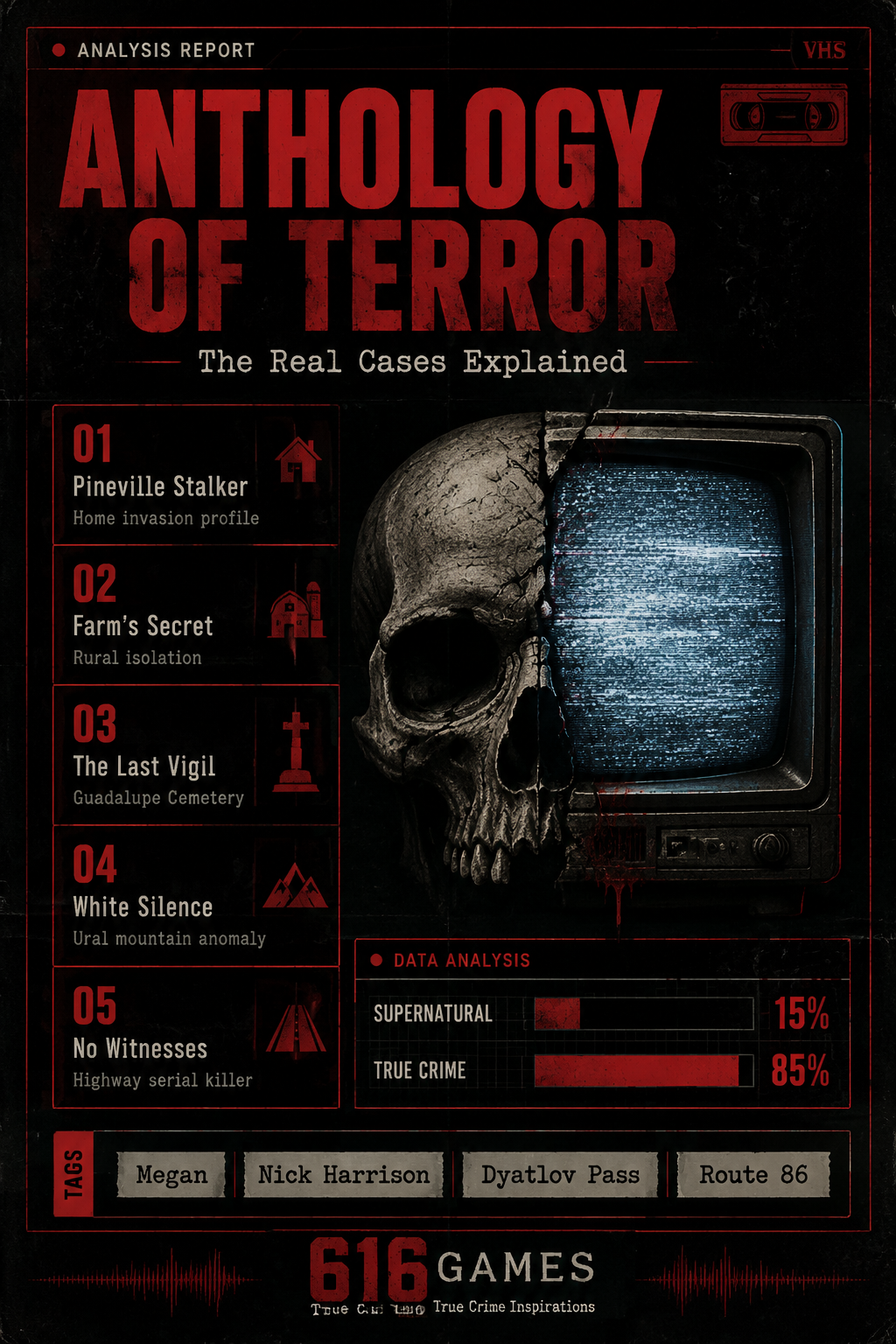
To understand the overarching lore, we have to dissect the anthology episode by episode. Each entry serves as a standalone nightmare, yet they all share the same DNA of real-world inspiration.
Episode 1: The Pineville Night Stalker
The series debuted with a classic home invasion setup. The plot follows Megan, who, alongside her work friend Lenny, travels to the town of Pineville to handle her late mother's inheritance. What should be a mundane legal errand spirals into a lethal game of cat-and-mouse with the titular Night Stalker.
The real-world parallels here are impossible to ignore. The "Night Stalker" moniker directly evokes Richard Ramirez, who terrorized California in the mid-1980s. However, the game's specific methodology—stalking a specific target in an isolated suburban setting—shares more in common with the Golden State Killer's early home invasions. The true horror of Episode 1 is the violation of a safe space, a very real fear that defined the 1980s true crime panic.
Episode 2: The Farm's Secret
In the second installment, players step into the shoes of Samantha, who finds herself trapped in a web of lies surrounding her father and an isolated rural property. The game masterfully blurs the line between victim and villain, leaning into the psychological toll of familial betrayal.
The Farm's Secret draws heavily from historical cases of rural isolation crimes—specifically, the insular, secretive environments where crimes go unreported for decades. It echoes the tragic, real-life cases of captives held on remote properties, drawing a dark parallel to the horrifying discoveries made at farms like the one owned by serial killer Robert Pickton, where isolation was the primary weapon.
Episode 3: The Last Vigil
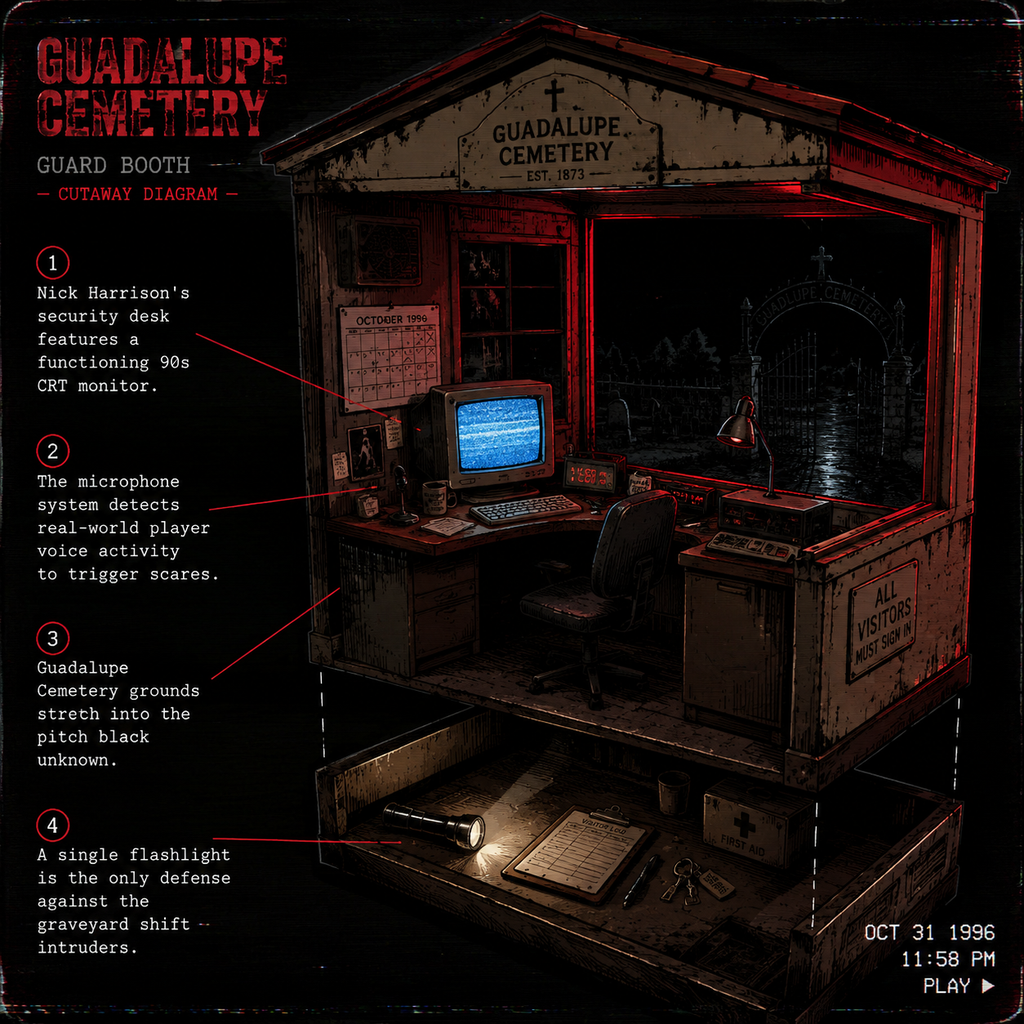
The franchise shifted perspectives with The Last Vigil, placing players in the uniform of Nick Harrison, a security guard working the night shift at the sprawling Guadalupe Cemetery. Nick quickly learns that the graveyard holds more than just the deceased.
While cemetery horror is a classic trope, the true story Tales Beyond The Tomb grounds Nick's experience in the documented history of 1990s grave robbing and occult trespassing. Cemeteries in the American Southwest and parts of Latin America have long been sites for illicit nocturnal activities, ranging from vandalism to ritualistic artifact theft. The game uses this very real, mundane starting point—a boring security job—to escalate the tension.
Episode 4: White Silence
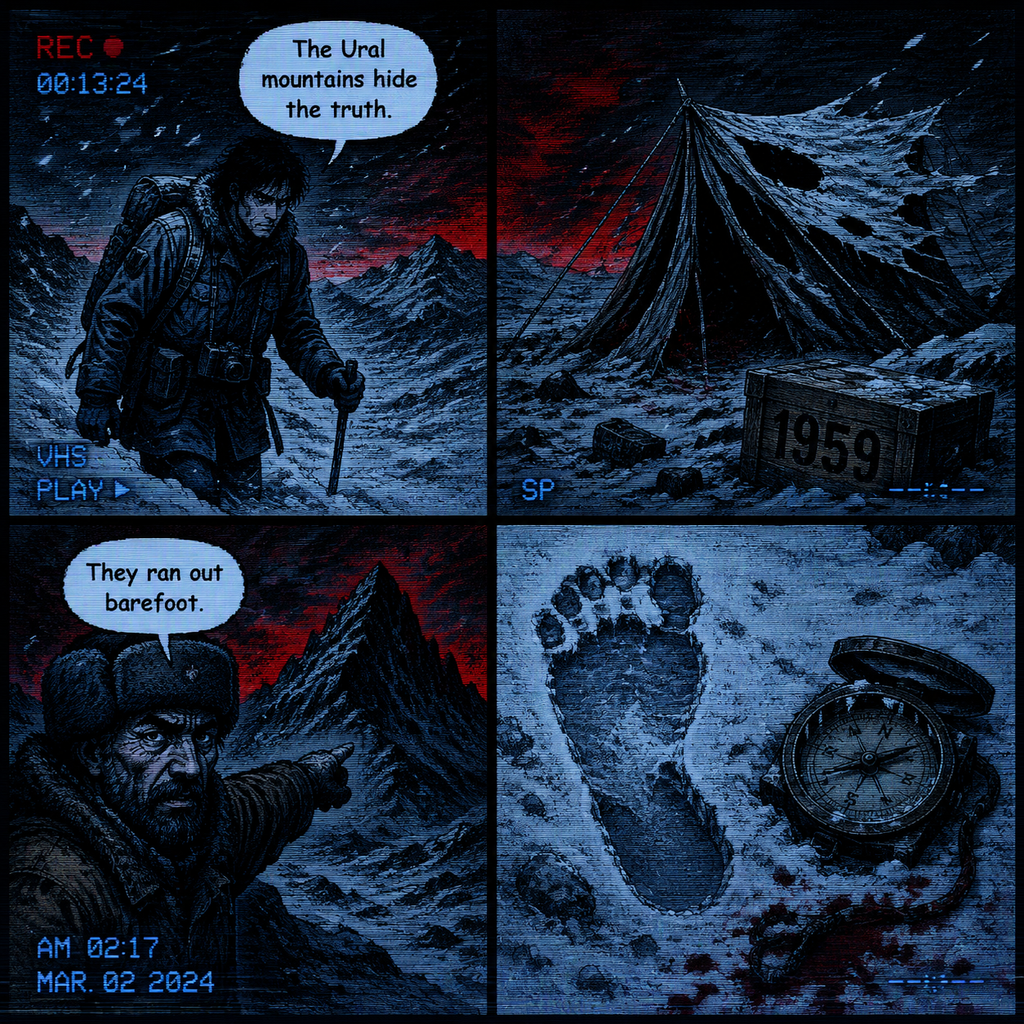
Perhaps the most direct adaptation of a true story in the franchise, White Silence abandons the American suburbs for the freezing desolation of the Ural mountains. The player takes on the role of an investigator looking into the disappearance of a group of young explorers who were found dead—barefoot, wounded, and frozen in expressions of sheer terror.
This is an unmistakable retelling of the 1959 Dyatlov Pass Incident. In real life, nine Soviet hikers died under mysterious circumstances in the northern Ural Mountains. The discovery of their tent, ripped open from the inside, and their bodies scattered in the snow with inexplicable injuries has fueled decades of conspiracy theories. White Silence uses this historical tragedy as a canvas, forcing the player to retrace the steps of the doomed expedition.
Route 86
Leaning heavily into 1970s grindhouse aesthetics, Route 86 follows a group of friends whose car breaks down in the woods, leaving them at the mercy of a local threat. It is a grueling, multi-perspective survival scenario.
The inspiration here is clearly the legend of The Texas Chain Saw Massacre, which itself was loosely inspired by the real-life crimes of Wisconsin killer Ed Gein. By focusing on the vulnerability of being stranded in hostile, unfamiliar territory, Route 86 taps into the primal fear of the American backroads.
Upcoming: No Witnesses
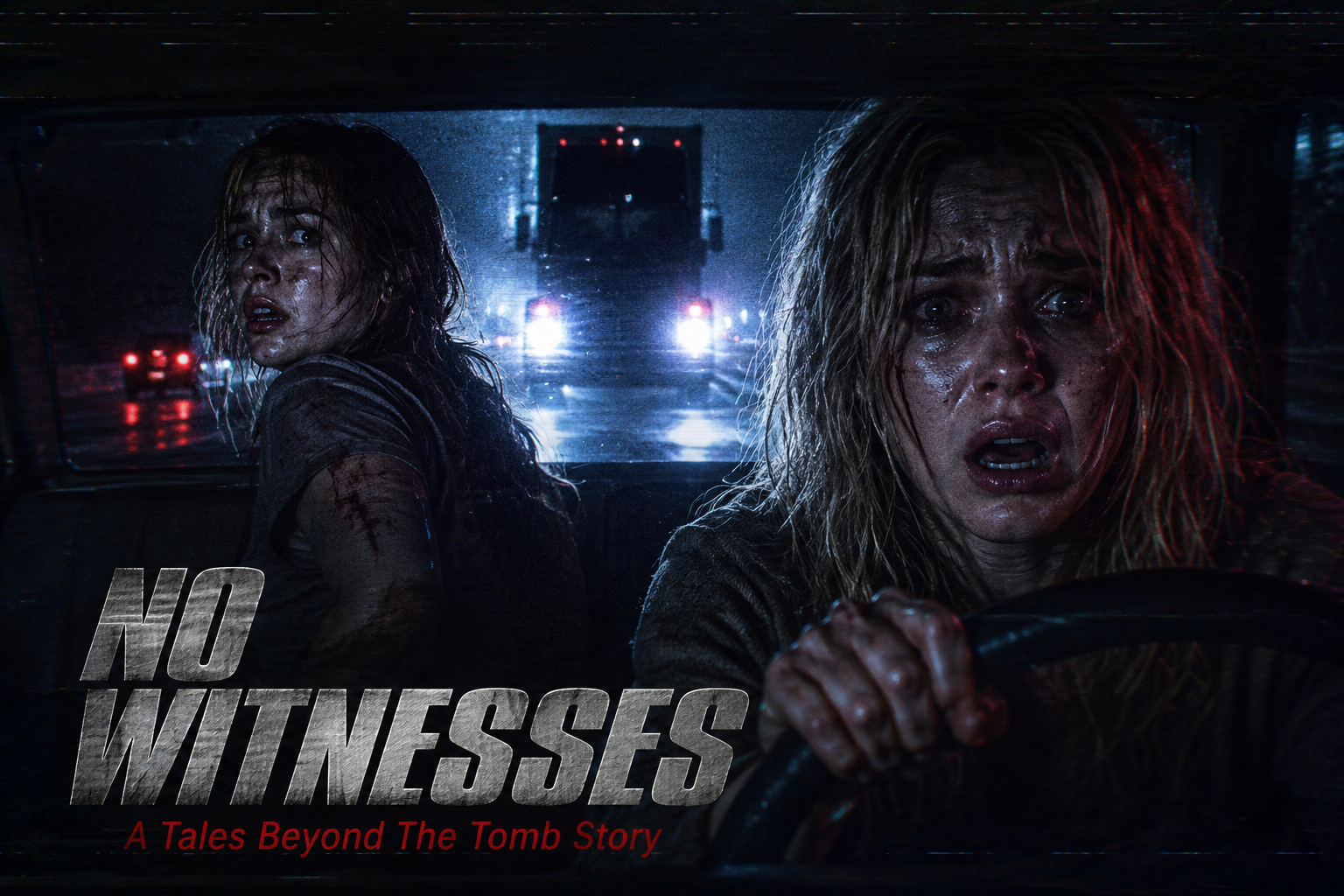
The latest entry pushes the anthology into the realm of highway serial killers. No Witnesses follows two sisters on a road trip that devolves into a brutal fight for survival against a ruthless predator stalking the asphalt at night.
This narrative is deeply rooted in the terrifying reality of the "Highway of Tears" in British Columbia, as well as the profiles of nomadic serial killers like the I-5 Killer (Randall Woodfield) or the Truck Stop Killer (Robert Ben Rhoades). These real-life predators used the anonymity of the interstate system to hunt, making the premise of No Witnesses chillingly plausible.
Fact vs. Fiction in the True Story Tales Beyond The Tomb
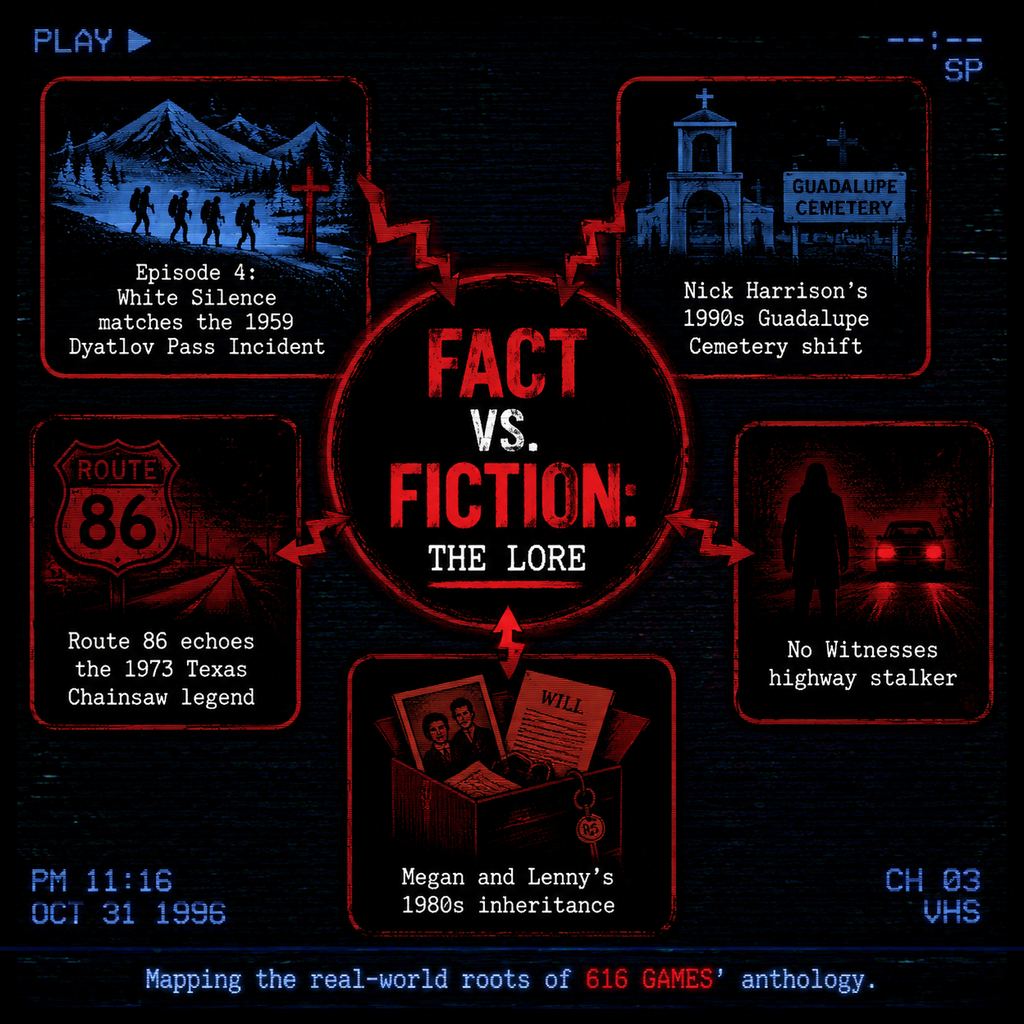
To truly appreciate the craftsmanship of 616 GAMES, you have to look at how they adapt these historical blueprints into interactive media. They do not create one-to-one documentaries; they synthesize the feeling of these true crimes.
| Game Episode | In-Game Event | Real-Life Counterpart | Developer Alteration |
|---|---|---|---|
| White Silence | Investigators find frozen, terrified bodies in the Urals. | Dyatlov Pass Incident (1959): Nine hikers found dead under bizarre circumstances. | Adds an active, lingering threat to the mountains rather than leaving it purely as an environmental anomaly. |
| The Pineville Night Stalker | Megan is stalked in an inherited home by a masked intruder. | 1980s Home Invasions: The Night Stalker / Golden State Killer profiles. | Condenses a years-long crime spree into a single, terrifying night of survival. |
| No Witnesses | Sisters hunted by a killer on an isolated night highway. | Nomadic Highway Killers: The I-5 Killer, Truck Stop Killer. | Incorporates real-time driving physics to make the act of escaping a mechanical challenge. |
| The Last Vigil | Nick Harrison uncovers intruders at Guadalupe Cemetery. | 90s Occult Vandalism: Documented cases of cemetery trespassing. | Escalates local trespassing into a lethal, immediate threat requiring stealth evasion. |
The Mechanics of Fear: How Gameplay Enhances the Lore
What elevates the true story Tales Beyond The Tomb above standard indie horror is its mechanical execution. The developers use gameplay systems to force the player into the physical reality of these true crimes.
The most infamous feature is the microphone interaction system. The game listens to your actual environment. If you gasp, scream, or breathe too heavily while hiding from the Pineville Stalker or the predators in Route 86, the game detects it and alerts the killer to your location. This isn't just a gimmick; it mirrors the paralyzing, breath-holding reality of hiding from a real-life intruder.
Furthermore, the driving mechanics in No Witnesses and Route 86 are based on realistic physics. When your car breaks down, it isn't a scripted cutscene—it is a mechanical failure that you have to manage while actively being hunted.
FAQ: The True Story Tales Beyond The Tomb
Are the events in Tales Beyond The Tomb completely real? No. While the anthology is heavily inspired by real-life cases (such as the Dyatlov Pass Incident for White Silence and nomadic serial killers for No Witnesses), the characters, specific locations, and moment-to-moment events are fictionalized for gameplay purposes.
Who is the Pineville Night Stalker based on? The antagonist in the first episode draws heavily from the profiles of 1980s serial home invaders, most notably Richard Ramirez (The Night Stalker) and the early burglaries of the Golden State Killer.
Do I need a microphone to play the games? While a microphone is not strictly mandatory to progress, the developers highly recommend using one. The game's voice activity system detects your real-life noise, significantly increasing the immersion and difficulty when hiding from threats.
Is White Silence an accurate depiction of the Dyatlov Pass Incident? White Silence uses the 1959 Dyatlov Pass tragedy as its primary inspiration—mirroring the frozen setting, the ripped tents, and the bizarre state of the victims—but it introduces a fictional investigator and an active horror element that diverges from the historical record.
The Final Verdict
The enduring appeal of this anthology lies in its refusal to look away from the darkness of human nature. By anchoring its scares in the grim realities of unsolved mysteries and historical crime profiles, 616 GAMES has created an experience that lingers long after you close the application. The monsters here aren't hiding under the bed; they are driving on the highway next to you.
Sources
- 616 GAMES Official Steam Publisher Page and Developer Updates.
- Historical records of the 1959 Dyatlov Pass Incident.
- Criminology profiles on nomadic highway predators and 1980s home invasion cases.
- Community lore breakdowns and patch notes for The Last Vigil and White Silence.